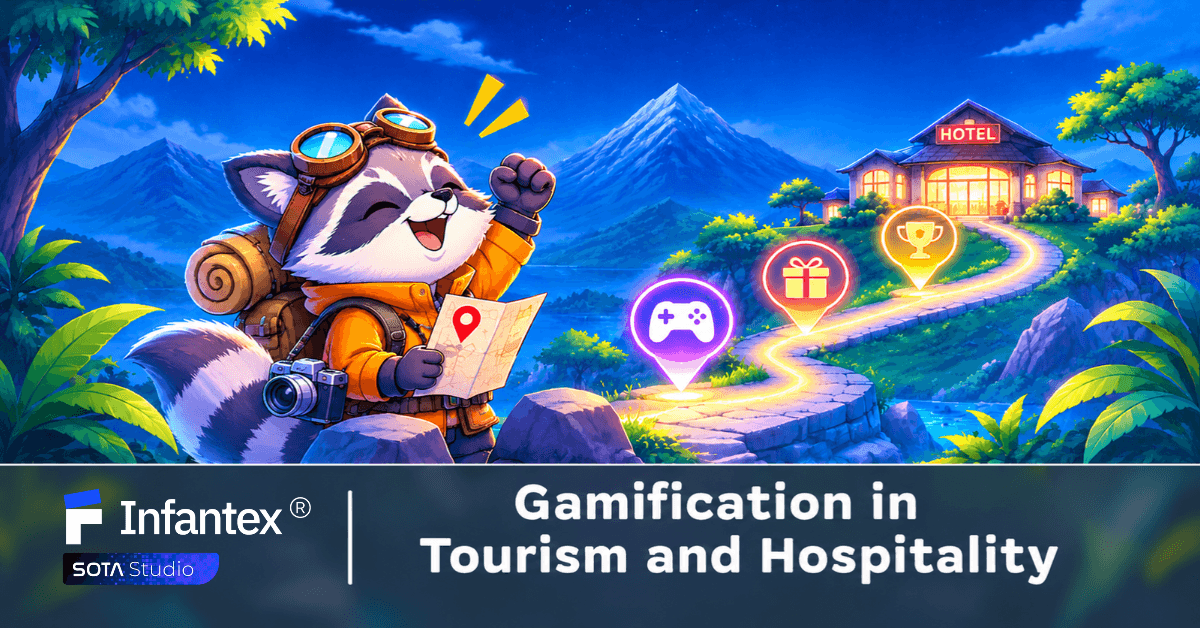
Gamification in Tourism and Hospitality: How Interactive Experiences Drive Guest Engagement
The tourism and hospitality industry is no longer competing solely on destinations, accommodation quality, or customer service. As travelers increasingly expect personalized and memorable experiences, businesses need new ways to engage guests beyond traditional services.
Gamification offers a new approach to this challenge. Game mechanics such as challenges, rewards, points, and interactive storytelling can turn ordinary travel activities into engaging experiences, encouraging greater participation and stronger customer relationships. This article explores how gamification is transforming tourism and hospitality, highlighting its practical applications and benefits for both businesses and travelers.
What Is Gamification in Tourism and Hospitality?
Gamification in tourism and hospitality refers to the use of game design elements in non-gaming environments to encourage participation and improve customer experiences. Instead of simply providing information or services, businesses introduce interactive activities that motivate guests to explore, complete challenges, and engage with their offerings.
Unlike traditional video games, gamification does not require a complete gaming environment. It can be integrated into existing hotel applications, travel platforms, destination websites, or customer loyalty programs. For example, a hotel might introduce a reward system that allows guests to earn points for participating in activities, while a tourism organization could develop a digital treasure hunt encouraging visitors to explore local attractions.
Why Is Gamification Becoming Important in Tourism and Hospitality?
Travel experiences are increasingly influenced by digital interactions. Gamification introduces an additional layer of interaction, giving customers more reasons to participate beyond completing a transaction.
Creating More Engaging Travel Experiences
Travelers increasingly seek experiences that allow them to actively discover destinations rather than simply follow predefined itineraries. Gamification can transform sightseeing, cultural exploration, and local activities into interactive experiences. For example, visitors can complete location-based challenges, collect digital badges at tourist attractions, or participate in quizzes about local history. These activities encourage exploration while making the journey more entertaining and memorable.
Building Customer Loyalty and Encouraging Repeat Visits
Customer loyalty is essential for hotels, travel agencies, and hospitality brands. Traditional loyalty programs often rely on accumulated points, discounts, or membership tiers. A hotel chain could reward guests for booking multiple stays, trying different hotel services, or participating in seasonal campaigns. These mechanics give customers additional reasons to interact with the brand and return for future experiences.
Differentiating Brands in a Competitive Market
Many tourism and hospitality businesses offer similar services, making differentiation increasingly important. Interactive experiences can help brands establish a more recognizable identity. A destination marketing organization could develop a digital exploration game featuring local landmarks, cultural stories, and hidden attractions. Instead of relying entirely on conventional advertisements, the destination becomes part of an experience that visitors can actively participate in and share. This approach can also encourage user-generated content, extending campaign visibility through social sharing and word-of-mouth recommendations.
How Gamification Is Used in Tourism and Hospitality
Gamification can be applied throughout the customer journey, from destination discovery and booking to on-site experiences and post-visit engagement.
1. Gamified Destination Exploration
Tourism organizations can use gamification to make destination discovery more interactive. Location-based games, digital scavenger hunts, and exploration challenges encourage visitors to discover attractions at their own pace.
For example, a city tourism application could introduce a virtual journey where travelers collect digital stamps by visiting historical landmarks, museums, restaurants, and cultural attractions. As visitors complete each challenge, they can unlock new content, rewards, or recommendations for nearby destinations. This approach can also help promote lesser-known locations by incorporating them into exploration routes.
2. Interactive Experiences in Museums and Cultural Attractions
Museums, heritage sites, and cultural attractions often need to communicate historical and educational information to visitors with different interests and age groups. Traditional exhibitions provide valuable knowledge, but visitors do not always interact deeply with the content. Gamification offers another way to present cultural information through interactive storytelling, digital quizzes, virtual missions, and educational challenges.
A museum could create a mobile game in which visitors solve historical puzzles, discover hidden details in exhibits, or follow a character through different periods of history. These experiences make learning more participatory while helping cultural organizations create stronger connections between visitors and their collections.
3. Gamification in Travel and Booking Applications
Travel applications can integrate game mechanics to encourage users to explore services and interact with digital platforms. A booking application might introduce personalized travel challenges, reward users for discovering new destinations, or provide achievement badges for completing different travel-related activities. For example, users could unlock rewards after exploring destinations in multiple regions, writing verified reviews, or completing a travel itinerary.
4. Gamification for Sustainable Tourism
Tourism businesses and destination managers can introduce challenges that reward environmentally responsible actions, such as using public transportation, reducing plastic waste, supporting local businesses, or visiting attractions during less crowded periods.
For example, a destination application could create an eco-travel challenge where visitors collect points by choosing sustainable transportation or participating in local conservation activities. These initiatives make sustainable practices more interactive while helping organizations communicate their environmental goals.
Key Gamification Mechanics for Tourism and Hospitality Businesses
Businesses need to select mechanics that align with their audiences, service models, and engagement objectives.
Points, Badges and Rewards
Points and rewards provide immediate feedback when customers complete specific activities. In hospitality, they can encourage bookings, service usage, reviews, and participation in loyalty programs. Badges offer another way to recognize customer achievements. For example, travelers could receive digital badges for visiting multiple cultural attractions or completing destination exploration challenges.
Storytelling and Progression Systems
Storytelling connects separate activities into a cohesive experience. Instead of completing unrelated tasks, users follow a narrative that encourages them to discover new content and progress through different stages.
A destination game could introduce a fictional character who guides travelers through local landmarks, cultural traditions, and hidden attractions. Progression systems can reinforce this experience by gradually unlocking new missions, locations, and rewards as users advance.
Leaderboards and Social Competition
For tourism applications, they could highlight visitors who have completed the most exploration challenges or collected the most destination badges. However, competition should remain optional. Some travelers prefer independent exploration rather than competing with other users, so businesses should provide different ways to participate.
Challenges and Missions
Challenges give customers a clear objective to complete. They can be designed around individual activities, travel itineraries, seasonal campaigns, or specific brand interactions. A hotel might introduce a weekend wellness challenge, while a tourism board could create a city exploration mission that guides visitors through several local attractions.
How to Build an Effective Gamification Strategy for Tourism and Hospitality
Although gamification offers various opportunities, its effectiveness depends on how well the experience is designed and integrated into the customer journey.
Start with Clear Business Objectives
Before selecting game mechanics, businesses should identify what they want to achieve. A hotel may want to increase loyalty program participation, while a tourism organization may focus on promoting lesser-known attractions. A travel application might prioritize user retention or encourage customers to explore additional services. These objectives influence the entire gamification design, including activities, reward structures, progression systems, and performance indicators.
Understand Your Target Audience
Different customer groups have different motivations. Some travelers enjoy competition and achievement, while others prefer exploration, storytelling, or personalized rewards. A gamification experience designed for families visiting a museum may require different mechanics from one targeting young travelers using a destination discovery application.
Design a Seamless User Experience
For example, guests should be able to access hotel challenges through an existing mobile application without navigating multiple platforms. Similarly, location-based activities should provide clear instructions and work reliably across different devices. An intuitive interface, clear navigation, responsive performance, and accessible game mechanics are essential to maintaining participation.
Integrate Gamification with Existing Digital Platforms
For businesses that already operate mobile applications, booking systems, or loyalty platforms, gamification should complement their existing infrastructure. Integration with customer databases, CRM systems, booking platforms, and analytics tools can help businesses connect interactive activities with customer profiles and operational data. This also makes it easier to personalize challenges, manage rewards, and evaluate how gamification influences customer behavior.
Measure Performance and Continuously Improve
A successful gamification strategy needs to deliver measurable outcomes rather than simply generate temporary excitement. Businesses should evaluate performance through indicators such as participation rates, challenge completion rates, repeat engagement, customer retention, conversion rates, and loyalty program activity. Over time, businesses can refine challenges, adjust rewards, and introduce new content based on actual user behavior.
The Future of Gamification in Tourism and Hospitality
As digital experiences become increasingly important in travel and hospitality, gamification is likely to evolve beyond basic points and rewards systems.
AI-Powered Personalization
Artificial intelligence can help businesses deliver more personalized gamification experiences. A travel application could recommend cultural exploration missions to users interested in history or outdoor challenges to travelers who prefer adventure activities.
Augmented Reality and Location-Based Experiences
AR and location-based technologies allow visitors to interact with digital content while exploring real-world destinations. Features such as virtual characters, interactive maps, and location-based challenges can make sightseeing more engaging.
Immersive Digital Experiences
Virtual environments and multiplayer experiences offer new ways for hospitality brands to connect with customers. Hotels and tourism businesses can use these experiences to introduce destinations, showcase services, and engage travelers before and after their visits.
Conclusion
Gamification in tourism and hospitality helps businesses create more engaging customer experiences, strengthen loyalty, and encourage repeat visits. A successful strategy requires the right game mechanics, seamless user experiences, and clear business objectives.
With 7+ years of game development experience, Infantex builds customized gamification solutions for web and mobile platforms. Our solutions include interactive challenges, reward systems, branded games, and progression features, helping businesses turn engagement ideas into digital experiences.
Explore our Custom Game and Gamification services to bring your next interactive experience to life.
Frequently Asked Questions About Gamification in Tourism and Hospitality
1. How Do Hotels Use Gamification?
Hotels use reward points, achievement badges, loyalty challenges, and interactive activities to encourage guest participation and promote their services.
2. What Are Some Examples of Gamification in Tourism?
Examples include digital scavenger hunts, location-based games, interactive museum experiences, travel challenges, and destination exploration apps.
3. How Does Gamification Improve Customer Loyalty?
Gamification encourages repeat interactions through personalized challenges, progress tracking, and rewards that motivate customers to return.
4. How Can Businesses Implement Gamification in Tourism and Hospitality?
Businesses should define clear objectives, understand their target audience, select suitable game mechanics, and integrate them into existing digital platforms.
5. Is Gamification Suitable for Small Hotels and Travel Businesses?
Yes. Small businesses can start with simple features such as digital rewards, referral challenges, and interactive quizzes that fit their budgets and customer needs.