Interactive Game Development for Marketing Campaigns
Marketing campaigns need more than eye-catching visuals and catchy slogans to capture attention. As audiences become increasingly selective about the content they engage with, brands need new ways to encourage participation, create memorable interactions, and build stronger connections with customers. Interactive game development offers a practical solution by turning traditional marketing activities into engaging experiences that audiences actively participate in.
This guide explores how interactive game development supports marketing campaigns, the types of games brands can use, and the key considerations for creating successful interactive brand experiences. Let's get started!
What Is Interactive Game Development for Marketing?
Interactive game development for marketing involves creating digital games or game-like experiences that help businesses promote their products, services, or brands. Instead of simply presenting promotional messages, these experiences invite audiences to take action through gameplay, challenges, storytelling, or rewards.
Unlike traditional advertising, which primarily communicates information, interactive marketing games encourage users to engage directly with a brand. Players might complete a challenge, answer questions, collect virtual items, customize a character, or compete with others to earn rewards.
For example, a retail brand could launch a branded mini game in which players collect products to unlock discount codes. A technology company might create an interactive quiz that helps potential customers discover suitable solutions. Meanwhile, a consumer goods brand could develop a virtual experience that introduces a new product through exploration and play.
Traditional marketing channels remain important, but they often compete for attention in crowded digital environments. Interactive experiences give audiences a reason to stop, participate, and spend more time with a brand.
Increase Audience Engagement
Interactive games transform audiences from passive viewers into active participants. Rather than scrolling past an advertisement, users can interact with branded content, complete challenges, and discover rewards. This participation creates more opportunities for meaningful engagement. For example, a campaign gamification strategy might encourage users to return daily to complete new challenges, collect points, or unlock additional content. These mechanics can extend engagement beyond the initial campaign launch.
However, engagement depends on how well the experience matches the target audience. Games should be easy to understand, enjoyable to play, and relevant to the campaign's message.
Improve Brand Recall and Recognition
An interactive brand experience allows audiences to associate a brand with a specific activity, challenge, or memorable moment. Instead of seeing a logo or promotional message once, users encounter the brand throughout the gameplay experience.
Brand elements can appear in the game's visual design, characters, environments, narrative, and reward system. When these elements are integrated naturally, the experience can reinforce brand recognition without making the game feel like an extended advertisement. For example, a beverage company could develop a colorful arcade-style game featuring its products as collectible items. A travel brand might create a virtual destination exploration game that introduces different locations and travel packages. The key is to make the brand an essential part of the experience rather than an interruption to it.
Encourage Repeat Participation
Marketing campaigns often need more than one interaction to generate meaningful results. Campaign gamification can encourage repeat participation by giving users reasons to return. Daily missions, achievement systems, progress tracking, collectible rewards, and seasonal challenges can create a sense of progression. These mechanics are particularly useful for campaigns that run over several weeks or support ongoing customer engagement.
For instance, a retail campaign could reward customers for completing a series of weekly challenges. Each completed activity might unlock a new reward or bring participants closer to a larger prize. The reward structure should remain transparent and achievable. If progression feels repetitive or rewards seem impossible to obtain, users may lose interest rather than return.
Support Marketing Data Collection
Interactive games can also create opportunities to collect campaign-related insights. Depending on the experience, businesses may learn which challenges users complete, which rewards attract attention, how frequently participants return, and where users abandon the experience.
When users voluntarily provide information through a quiz, registration flow, or preference-based interaction, brands may also gain insights into customer interests. Data collection must be transparent and comply with applicable privacy requirements. Brands should collect only the information necessary for their objectives and explain how it will be used.
How to Integrate Campaign Gamification Into a Marketing Strategy
An interactive game is most effective when it supports a defined campaign objective. Developing the game before deciding what it needs to achieve can lead to an entertaining product that delivers limited marketing value.
Define the Campaign Objective
The first step is to identify the primary outcome the campaign should deliver. A brand awareness campaign may focus on unique participants, reach, and completed game sessions. A lead generation campaign may prioritize qualified leads and voluntary registrations. A customer retention campaign may measure repeat participation and returning users.
Defining these objectives early helps determine the appropriate game format, reward system, user journey, and performance indicators. It also provides a basis for evaluating success after launch rather than relying solely on download counts or total plays.
Understand the Target Audience
Game mechanics that appeal to one audience may not work for another. Younger audiences may respond well to fast-paced challenges and social competition, while professional audiences may prefer interactive simulations, knowledge-based activities, or practical problem-solving experiences.
Brands should consider users' motivations, familiarity with gaming, preferred devices, and available time. A campaign targeting mobile users, for example, should prioritize intuitive controls, responsive layouts, and short loading times. Audience research can help identify whether the experience should focus on competition, exploration, personalization, collaboration, or rewards.
Connect Gameplay With the Brand Message
A common challenge in branded mini games is maintaining a balance between entertainment and promotion. If the brand appears only in a logo or opening screen, users may enjoy the game without remembering what it represents. Conversely, excessive promotional messaging can make gameplay feel like an advertisement.
The solution is to integrate the brand into the core experience. Products can become game objects, brand values can shape the narrative, and campaign messages can be communicated through challenges or decisions.
Choose the Right Platform and Distribution Channel
The platform determines how easily users can discover and access the game. Web-based games can be distributed through landing pages, campaign microsites, QR codes, and social media links. Mobile applications may be appropriate for experiences that require deeper functionality or ongoing engagement.
For campaigns targeting broad audiences, browser-based games can reduce installation barriers. For more advanced experiences, mobile or other platform-specific development may offer greater flexibility. Distribution should also be considered during development. Social sharing, campaign landing pages, analytics integration, and clear calls to action can help connect the game with the wider marketing funnel.
Design Rewards That Encourage Meaningful Participation
Rewards can motivate users to start playing, finish challenges, and return to the experience. However, the most suitable reward depends on the campaign objective and audience. Discounts, loyalty points, exclusive content, digital collectibles, and recognition can all play a role. Some campaigns may benefit from immediate rewards, while others may encourage users to progress through multiple stages before unlocking a benefit.
The reward system should reinforce the intended behavior. For example, a lead generation campaign should encourage meaningful interactions rather than maximizing low-quality registrations. A brand awareness campaign may prioritize sharing and completion instead.
Measure Results and Optimize Performance
After launch, campaign performance should be evaluated against the original objectives. Useful metrics may include participation rate, game completion rate, average session duration, repeat visits, social shares, conversion rate, and cost per qualified lead. The most relevant indicators depend on the campaign. Longer session duration does not automatically mean better performance, and high participation does not necessarily translate into sales.
Analyzing the full user journey helps brands identify where improvements are needed. If users start playing but rarely finish, the game may be too difficult or lengthy. If engagement is strong but conversions are weak, the reward structure or post-game call to action may need adjustment. Testing different onboarding flows, difficulty levels, and reward structures can help improve results over time.
Key Considerations When Developing Branded Mini Games
Successful interactive game development requires more than creative ideas. Technical execution, user experience, visual consistency, and campaign integration all influence the final outcome.
User Experience and Accessibility
Players should understand the objective quickly and be able to start playing without unnecessary steps. Clear instructions, responsive controls, readable text, and appropriate difficulty levels help reduce frustration. The experience should also work smoothly across the devices and browsers used by the target audience. Mobile responsiveness is particularly important when campaigns rely on social media traffic or QR-code access. Accessibility considerations, including readable contrast, understandable feedback, and alternatives to overly complex controls, can make the game usable by a wider audience.
Visual Quality and Brand Consistency
Game art is an important part of the brand experience. Characters, environments, animations, interface elements, and effects should reflect the company's visual identity while remaining appropriate for the selected gameplay style.
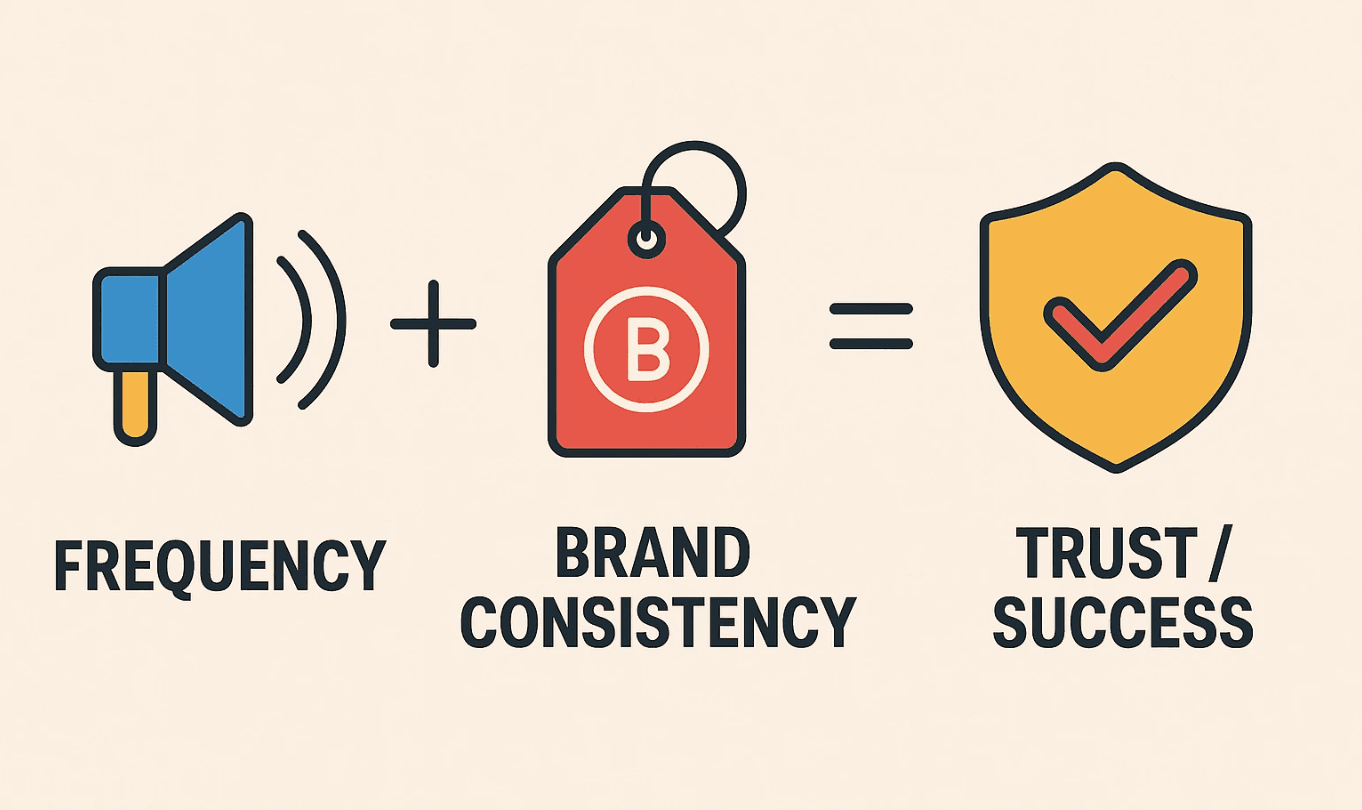
A consistent art direction helps the experience feel cohesive and professionally produced. It also ensures that users recognize the brand across the game, campaign landing page, and associated promotional materials.
Technical Performance and Scalability
Performance problems can undermine even the most creative campaign. Long loading times, broken interactions, and compatibility issues can cause users to leave before experiencing the game. Development teams should test the experience across relevant devices and browsers, optimize assets, and validate important user flows before launch. For campaigns expected to attract substantial traffic, the technical infrastructure should also be prepared to handle participation spikes.
Integrations with analytics platforms, customer relationship management systems, or reward mechanisms should be tested to ensure that campaign data is recorded accurately.
Privacy, Security, and Campaign Compliance
Marketing games may involve user accounts, contact information, leaderboards, or prize distribution. These features introduce privacy and security considerations that should be addressed during planning.
Brands should provide appropriate privacy notices, obtain consent where required, protect collected information, and establish clear rules for competitions and rewards. Where minors may participate, additional safeguards may be necessary. Addressing these requirements early helps reduce launch risks and creates a more trustworthy experience for users.
How Infantex Supports Interactive Game Development for Marketing
Infantex provides custom game and gamification services to help businesses turn marketing ideas into engaging interactive experiences. From branded mini games and gamification systems to immersive brand experiences, our solutions are tailored to each campaign's objectives, target audience, and technical requirements.
With over 7 years of game development experience and 50+ projects delivered for clients worldwide, Infantex combines creative game design, user experience, and technical expertise to bring marketing concepts to life. From initial concept development to production and delivery, our team helps businesses create interactive games that capture attention, encourage participation, and support marketing goals.
Explore our project portfolio to discover our development capabilities, or contact us to discuss how Infantex can support your next marketing campaign.
Conclusion
Interactive game development helps brands create engaging marketing campaigns that strengthen brand recognition, encourage participation, and build lasting customer relationships. From branded mini games to gamified challenges, these experiences can drive meaningful actions, from social sharing to lead generation and conversions. When gameplay aligns with clear marketing objectives and performance metrics, businesses can optimize campaign effectiveness, improve return on investment (ROI), and turn audience engagement into measurable business results.
Frequently Asked Questions
What is an interactive marketing game?
An interactive marketing game is a digital game designed to promote a brand, product, or service through engaging activities such as quizzes, challenges, or competitions.
What are branded mini games used for?
Branded mini games help businesses increase brand awareness, promote products, attract new customers, and encourage audience engagement.
How does campaign gamification improve customer engagement?
Campaign gamification uses points, rewards, challenges, and leaderboards to motivate users to participate, return, and interact with a brand.
How much does interactive game development cost?
Costs depend on game complexity, visual design, features, platform requirements, and integrations. Simple mini games generally cost less than complex multiplayer experiences.
How long does it take to develop a branded mini game?
A simple branded mini game may take several weeks, while more complex games can require several months, depending on scope and technical requirements.
Which platforms are suitable for interactive marketing games?
Web browsers and mobile applications are common choices. The best platform depends on the target audience, campaign goals, and desired gameplay experience.
How can brands measure the ROI of interactive marketing games?
Brands can track engagement rates, game completions, lead generation, conversions, customer acquisition costs, and revenue to evaluate campaign ROI.
What makes an interactive brand experience successful?
A successful experience combines engaging gameplay, consistent branding, smooth performance, clear marketing objectives, and measurable results.