

POST
Jun 16, 2026
How Gamification in Ecommerce Helps Brands Increase Sales
Online shopping has never been more competitive. Consumers have more choices than ever, and switching from one online store to another takes only a few clicks. While attracting visitors remains an important goal, the real challenge for ecommerce businesses is keeping customers engaged long enough to make a purchase and encouraging them to return after that first transaction.
Rather than treating shopping as a simple transactional process, brands are incorporating game-inspired experiences that make customer interactions more engaging, rewarding, and memorable. This is where gamification in ecommerce is making a significant impact.
In this article, we'll explore what gamification in ecommerce is, why it works, how leading brands are implementing it, and how businesses can leverage custom gamified experiences to drive sustainable growth.
Why Ecommerce Brands Are Investing in Gamification
Modern consumers expect more than convenience. They want experiences that feel interactive, personalized, and rewarding. This shift is particularly noticeable among younger generations who grew up with mobile games, social media engagement systems, and digital reward programs. Features such as achievement badges, progress tracking, daily streaks, and unlockable rewards have become familiar parts of their online experiences.
As a result, customers now expect similar levels of engagement when interacting with ecommerce brands. For businesses, this presents both a challenge and an opportunity. Traditional discount-driven marketing strategies can attract attention, but they often fail to build long-term loyalty. Gamification, on the other hand, encourages customers to actively participate in the shopping experience.
What Is Gamification in Ecommerce?
Gamification refers to the application of game mechanics and behavioral design principles in non-gaming environments. Within ecommerce, these mechanics are used to motivate customer actions and create more engaging shopping experiences. Rather than simply browsing products and completing transactions, customers participate in activities that offer rewards, recognition, or a sense of progression.
Examples include earning points for purchases, unlocking membership tiers, completing challenges, inviting friends, or participating in interactive campaigns. While these mechanics may seem simple, they tap into fundamental human motivations. People naturally enjoy making progress, achieving goals, and receiving rewards. By incorporating these elements into the shopping journey, ecommerce brands can create experiences that feel more engaging than traditional retail interactions.
Key Benefits of Gamification in Ecommerce
The business value of Gamification in Ecommerce is no longer theoretical. Across industries, brands that implement well-designed gamification systems consistently report measurable improvements in customer engagement, retention, acquisition, and revenue.
These results are driven by one simple principle: gamification encourages customers to participate rather than passively browse.
Increased Customer Engagement and Session Duration
One of the first metrics to improve after implementing gamification is customer engagement. Customers who interact with gamified experiences whether through loyalty programs, challenges, reward systems, or interactive product experiences typically spend more time exploring the platform. Rather than quickly browsing products and leaving, they become invested in completing actions and unlocking rewards. As a result, shoppers often view more products, interact with additional features, and are more likely to convert during the same session.
Higher Customer Retention and Repeat Purchases
Beyond initial engagement, gamification is particularly effective at encouraging customers to return. Tiered loyalty programs, achievement systems, and streak mechanics create a sense of progression that motivates users to maintain their status and continue engaging with the brand. Customers who have invested time and effort into reaching a milestone are naturally more likely to return rather than abandon their progress.
Because retaining an existing customer is typically more cost-effective than acquiring a new one, retention-focused gamification initiatives often generate some of the highest returns on investment for ecommerce businesses.
Lower Customer Acquisition Costs Through Referral Mechanics
Gamification can also become a powerful customer acquisition engine. Many brands incorporate referral challenges into their reward systems, encouraging existing customers to invite friends in exchange for points, badges, exclusive rewards, or progression benefits. These mechanics transform loyal customers into brand advocates.
As referral participation increases, businesses can reduce their reliance on paid acquisition channels while benefiting from highly trusted, word-of-mouth recommendations. Over time, this creates a scalable acquisition strategy that becomes more efficient as the customer community grows.
Increased Average Order Value
Another significant benefit of Gamification in Ecommerce is its ability to increase average order value. Customers are often willing to spend more when they can clearly see a meaningful reward within reach.
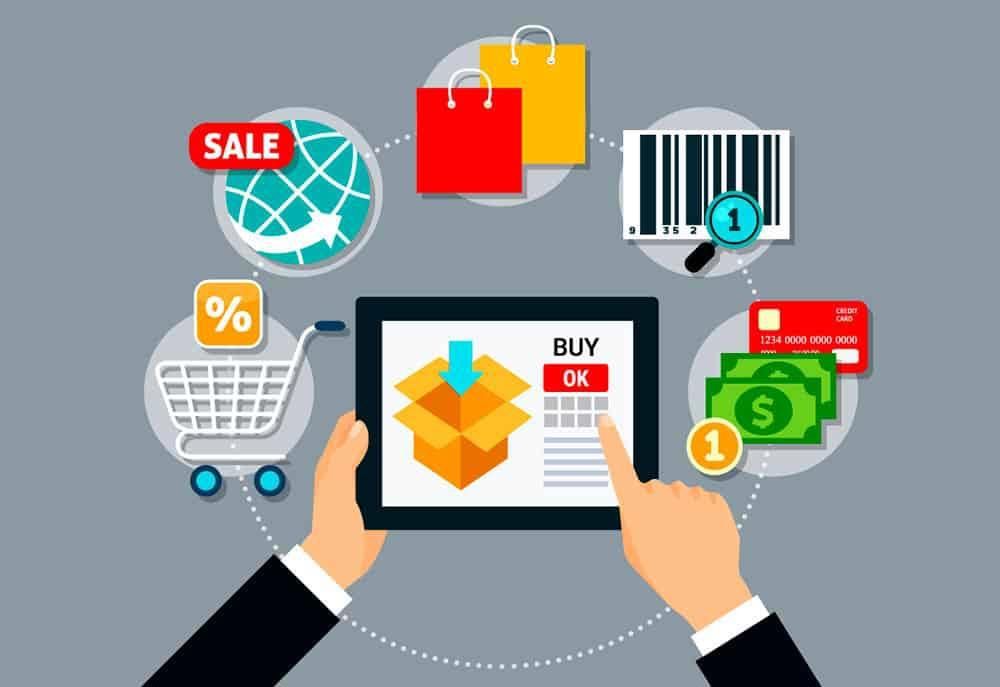
Progress bars for free shipping, loyalty tiers tied to annual spending, milestone-based rewards, and limited-time challenges all encourage shoppers to add additional items to their carts. By making progress visible and rewarding, brands create stronger purchase motivation without relying solely on discounts.
Stronger Customer Loyalty and Brand Connection
Perhaps the most valuable long-term benefit of gamification is the emotional connection it creates between customers and brands. When shoppers feel recognized, rewarded, and engaged, they develop stronger relationships with the platforms they use. Instead of viewing the interaction as a simple transaction, customers begin to see themselves as active participants in an ongoing experience. Over time, this emotional investment can translate into greater loyalty, higher customer lifetime value, and a stronger competitive advantage in increasingly crowded ecommerce markets.
Popular Ecommerce Gamification Strategies
The success of gamification is not based on a single tactic. Instead, brands combine different mechanics depending on their business goals, customer journey, and target audience. Some strategies focus on customer acquisition, while others are designed to increase retention and lifetime value. Let's look at some of the most widely used ecommerce gamification strategies.
Spin-to-Win Campaigns
One of the most recognizable forms of ecommerce gamification is the spin-to-win wheel. Visitors are invited to spin a virtual wheel for a chance to receive rewards such as discounts, free shipping, exclusive offers, or loyalty points. The uncertainty of the outcome creates excitement and encourages participation.
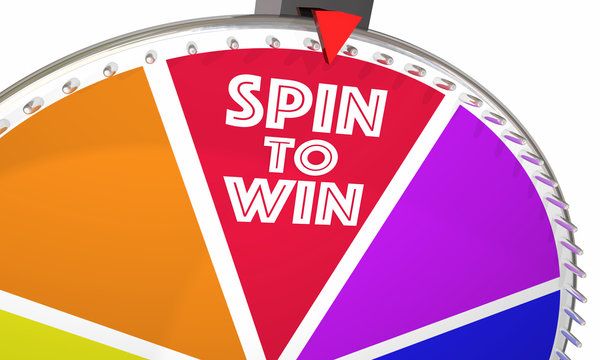
Beyond providing entertainment, these campaigns are highly effective for capturing email addresses and encouraging first-time purchases. Instead of presenting a static promotional banner, brands create an experience that feels interactive and rewarding. While spin-to-win campaigns are excellent for attracting attention, many brands also focus on building long-term engagement through loyalty systems.
Loyalty Programs With Progression Systems
Traditional loyalty programs reward customers with points for purchases. Gamified loyalty programs add another layer by introducing levels, milestones, and achievements. Customers may begin at a basic membership tier and gradually unlock higher levels as they engage with the brand. Each tier offers increasingly valuable benefits, creating a sense of progression similar to advancing through stages in a game.
This progression motivates customers to continue shopping because they feel invested in reaching the next milestone. More importantly, it transforms loyalty from a passive rewards program into an active customer experience.
Achievement Badges and Milestones
Recognition can be just as powerful as tangible rewards. Many ecommerce platforms celebrate customer achievements by awarding digital badges for actions such as completing a first purchase, referring friends, writing reviews, or maintaining consistent engagement. Although these badges may not directly affect purchasing power, they reinforce positive behaviors and create a sense of accomplishment. When combined with loyalty programs, achievements help customers feel recognized and valued, strengthening their emotional connection with the brand.
Interactive Quizzes and Personalized Experiences
Product discovery can be overwhelming, particularly in categories with large inventories. To address this challenge, many brands use interactive quizzes that guide customers toward products tailored to their preferences and needs.

Beauty brands recommend skincare routines based on customer responses. Fashion retailers suggest personalized styles. Fitness brands match users with products that align with their goals. These experiences not only improve customer satisfaction but also increase conversion rates by helping shoppers find the right products faster. As personalization becomes increasingly important, gamified quizzes provide a compelling way to engage users while delivering practical value.
Referral Challenges and Community Engagement
Referral programs have long been a popular customer acquisition strategy. However, gamification can make them significantly more effective. Instead of offering a simple referral reward, brands create challenges that encourage customers to reach specific milestones. Users may unlock additional benefits after inviting a certain number of friends or compete on referral leaderboards.
This approach turns customer acquisition into an engaging activity while helping brands expand their reach through trusted recommendations. As these mechanics continue to evolve, some companies are taking gamification even further by creating dedicated gaming experiences.
How Infantex Helps Brands Build Effective Gamification Solutions
Creating successful gamification in ecommerce requires more than adding rewards or points to a platform. It requires the right balance of game design, user psychology, and technical execution.
Infantex is a full-cycle game development studio that helps brands build engaging gamification systems designed to increase retention, engagement, and customer loyalty. Our Game Development service covers everything from mechanics design and UX planning to development, integration, and ongoing optimization. Whether you're looking to launch a loyalty program, develop a custom game, or add challenge-based experiences to your platform, our team combines game design expertise with strong engineering capabilities to deliver scalable solutions.
For businesses that need additional development resources, we also offer the flexibility to hire a game development team on a dedicated basis, enabling faster implementation and continuous product improvement. If you're evaluating gamification service cost or exploring custom game development cost, our team can help define the right scope and approach based on your business goals, timeline, and budget. From loyalty systems and achievement mechanics to social leaderboards and interactive experiences, Infantex helps brands build gamification that keeps customers coming back.
The Future of Gamification in Ecommerce
As digital experiences continue to evolve, the role of gamification is expected to expand significantly. Emerging technologies such as artificial intelligence, augmented reality, and personalized recommendation systems are creating new opportunities for brands to engage customers in meaningful ways. Future ecommerce experiences may include AI-driven challenges, adaptive loyalty systems, immersive shopping environments, and highly personalized reward programs. What remains constant, however, is the underlying principle that drives gamification's success: people enjoy experiences that are interactive, rewarding, and engaging. Brands that embrace these experiences today will be better positioned to build stronger customer relationships tomorrow.
Conclusion
As customer expectations continue to evolve, gamification in ecommerce has become an effective way to increase engagement, strengthen customer loyalty, and drive sales growth. Brands that successfully implement gamification can build stronger customer relationships, encourage repeat purchases, and create more memorable shopping experiences.
At Infantex, we help brands build custom game and gamification solutions that create more engaging customer experiences and measurable business results. Contact our team to explore how gamification can support your ecommerce growth.

MOST POPULAR




01/10
Leave a request
Send us a request today!
Share your project brief, scope and timeline. Our team will reply within 24 hours.

Services
Game DevelopmentWeb3 Game DevelopmentCustom Game and GamificationGame Art Outsourcing & UI/UX Design ServicesDedicated Game Development TeamBlockchain Development and Whitelabel ServicesContact us
- Address
- 16F, MD Complex Tower, 68 Nguyen Co Thach Street, Tu Liem District, Ha Noi Capital, Vietnam
- sale@infantex.io
© Copyright 2026 Infantex . All rights reserved.