Gamification in 2026: How Brands Are Using Custom Games to Win Customer Attention
In 2026, brands are competing in one of the most crowded digital environments ever. Consumers scroll through endless content every day, skip ads within seconds, and quickly lose interest in traditional marketing campaigns. Even companies with large advertising budgets are finding it increasingly difficult to maintain customer attention for long periods of time.
This shift is forcing businesses to rethink how they engage audiences online. At the center of this trend is the rapid growth of custom game marketing.
In this article, we will explore how gamification is evolving in 2026, why companies are increasingly investing in custom interactive experiences, and how businesses can benefit from partnering with experienced studios like Infantex for custom game development and gamification solutions.
What Is Gamification?
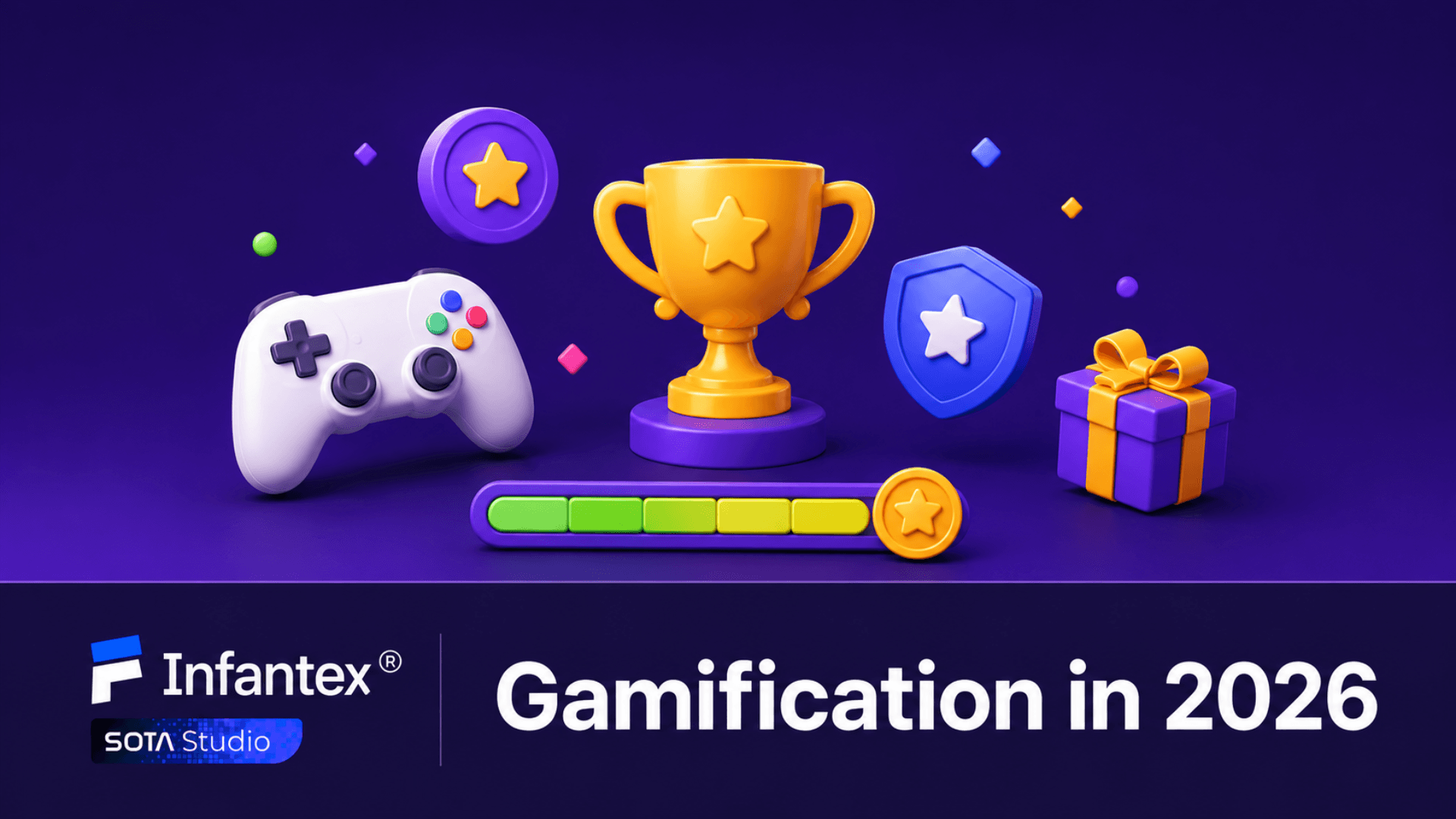
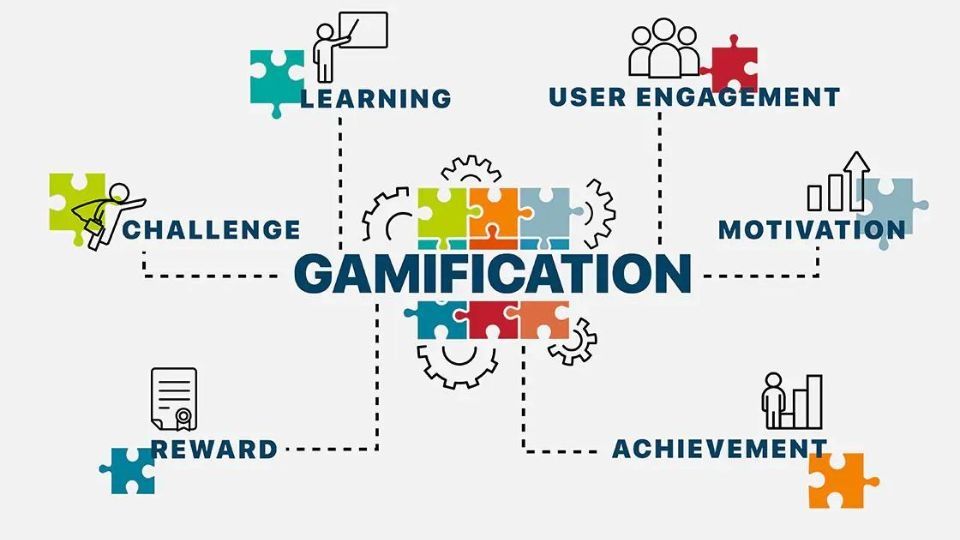
Gamification refers to the use of game mechanics and interactive systems in non-game environments. The goal is to make digital experiences more engaging by encouraging participation, competition, achievement, and progression.
Instead of simply consuming content passively, users become active participants in an experience. Features such as points, missions, rewards, leaderboards, achievement badges, and progression systems motivate users to continue interacting with a platform or brand.
In the early days, gamification was mainly associated with mobile apps and loyalty programs. However, in 2026, gamification has evolved into a core engagement strategy used across nearly every industry.
Modern consumers expect digital experiences to feel dynamic and rewarding. As a result, businesses that successfully implement engagement gamification often see stronger retention, higher participation rates, and better long-term customer loyalty.
Why Gamification Is Dominating Marketing in 2026
The rapid growth of gamification marketing is not happening by accident. Several major shifts in consumer behavior and digital culture are driving businesses toward interactive experiences.
Consumers No Longer Want Passive Advertising
Traditional advertising methods are becoming less effective as audiences grow increasingly selective about what they engage with online. Banner blindness, ad fatigue, and short attention spans are reducing the impact of static promotional content.
Today’s users want experiences that feel interactive and rewarding rather than disruptive. This is why gamified campaigns perform significantly better than traditional ads in many cases. Instead of forcing users to watch content, brands invite them to participate.
A customer who spends five minutes playing a branded mini-game develops a much stronger connection with a company than someone who scrolls past a banner ad in two seconds. The difference in engagement quality is enormous. Gamification transforms marketing from interruption-based communication into experience-based interaction.
Gaming Culture Is Now Mainstream
Gaming is no longer a niche hobby. It has become part of mainstream digital culture, especially among younger audiences. Gen Z and Gen Alpha grew up with progression systems, achievements, rewards, collectibles, and online communities.
As a result, many game mechanics now feel completely natural inside non-gaming environments. Whether users are shopping online, learning a new skill, or participating in a community platform, gamified systems create familiarity and encourage deeper engagement. This is one reason why custom game marketing has become so powerful. Brands are communicating with audiences using interaction models people already understand and enjoy.
Social Media Is Becoming More Interactive
Social platforms are also influencing the rise of gamification. Viral challenges, streak systems, achievement sharing, and interactive campaigns are becoming standard across digital communities.
Users increasingly expect participation-driven experiences instead of one-way communication. Brands that successfully adapt to this behavior often achieve stronger organic reach and higher audience retention. Gamified social campaigns encourage users to return regularly, invite friends, and share progress publicly. This naturally improves visibility and community growth.
How Brands Are Using Custom Game Marketing
One of the biggest marketing trends in 2026 is the rise of custom-built interactive experiences. Instead of generic promotional campaigns, businesses are investing in branded ecosystems designed specifically for their audiences.
A branded game is no longer just a simple marketing gimmick. It has become a serious engagement tool capable of driving customer acquisition, retention, and community growth.
Branded Mini-Games for Customer Engagement
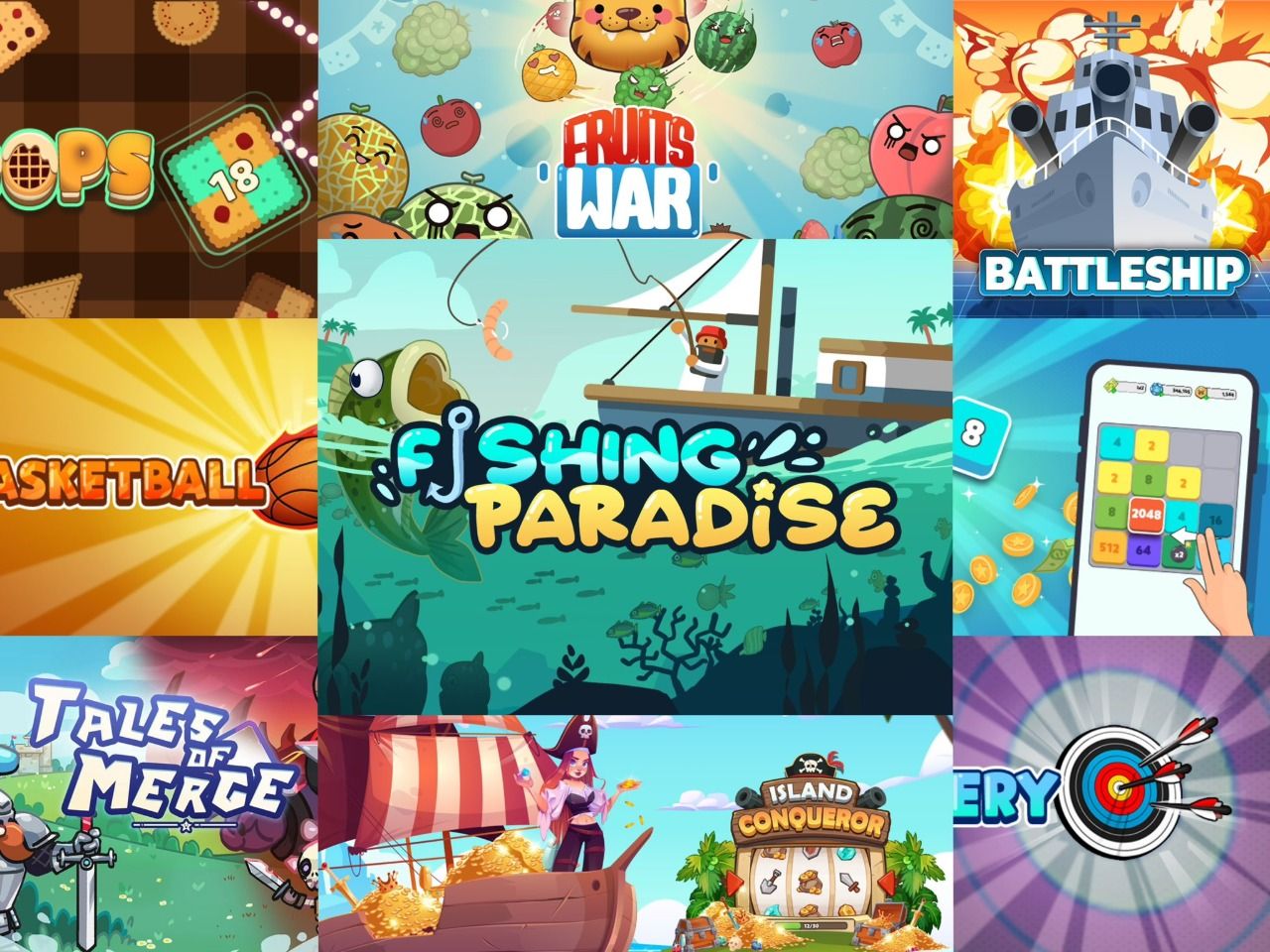
Many companies are launching branded mini-games as part of marketing campaigns, product launches, and community activations. These games are designed to reflect the identity of the brand while keeping users entertained through interactive experiences powered by modern Game Development strategies.
For example, a fashion company may create a digital styling game tied to seasonal collections, while a food brand could launch a casual mobile game that rewards players with discount codes or exclusive products.
Unlike traditional advertising, branded games encourage voluntary participation. Users actively spend time interacting with the brand, which significantly improves brand recall and emotional connection.
A successful branded game service focuses not only on visual design but also on engagement psychology. Reward loops, progression systems, and social features all play important roles in keeping users interested over time.
Gamified Loyalty Programs
Traditional loyalty systems are evolving rapidly. Instead of offering static points programs, many companies are turning loyalty experiences into interactive ecosystems.
Customers are now completing missions, unlocking achievements, participating in seasonal events, and earning digital rewards through engagement-based systems. This approach makes customer retention feel more enjoyable and less transactional.
Gamification marketing strategies are especially effective because they trigger emotional investment. Users feel motivated to return regularly because the experience itself becomes rewarding. This is why engagement gamification has become increasingly important for brands looking to improve customer lifetime value.
Interactive E-Commerce Experiences
E-commerce platforms are also adopting gamified mechanics to improve conversions and customer retention.
Many online stores now include:
Spin-to-win systems
Daily rewards
Referral competitions
Mystery prizes
Interactive product discovery systems
These mechanics encourage repeat visits while increasing the amount of time users spend on the platform. In highly competitive online markets, gamification helps brands differentiate themselves from competitors that still rely on static shopping experiences.
Gamification for Education and Training
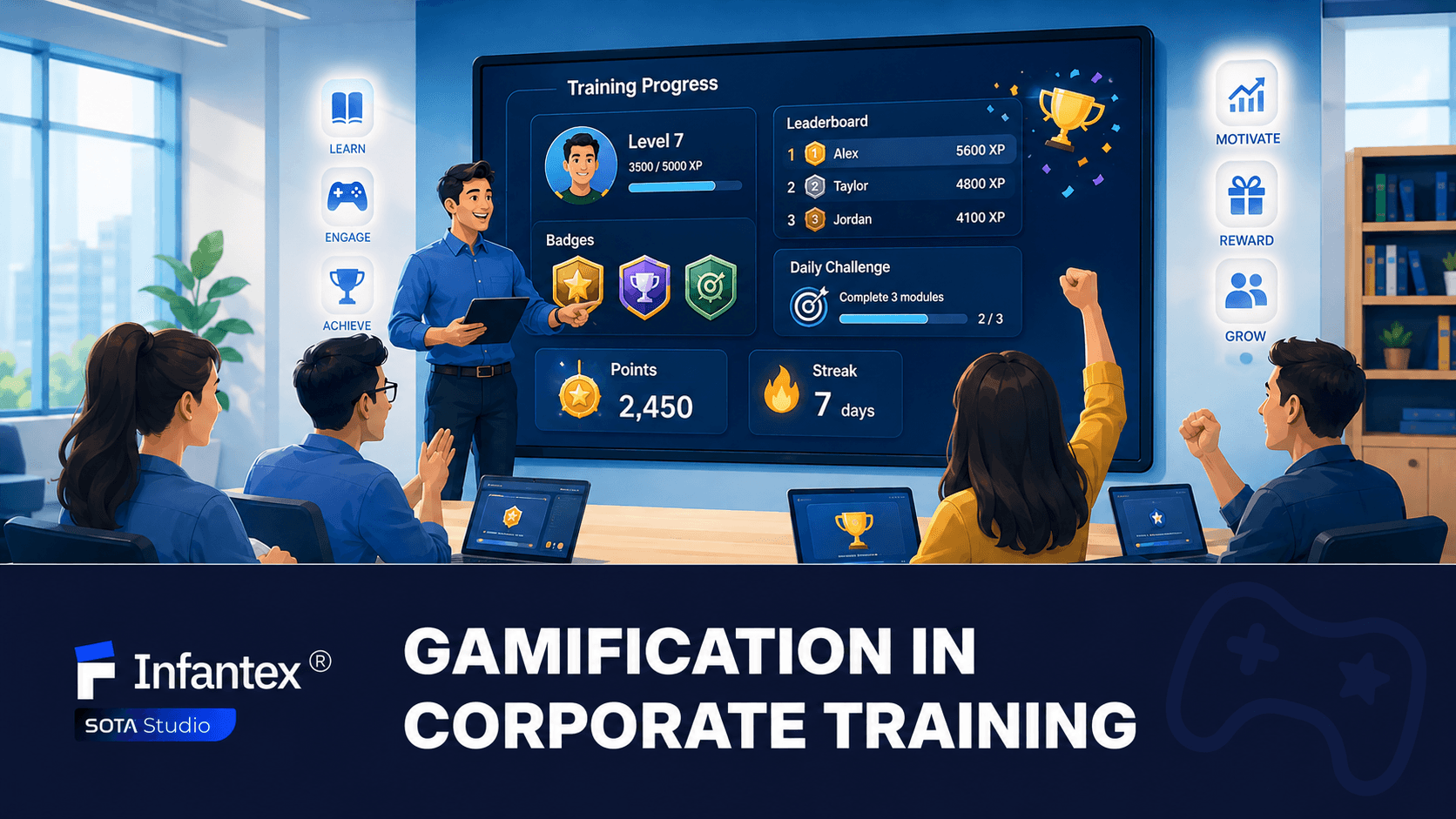
Gamification for education has become a major pillar in both corporate training and online learning platforms. Companies are using gamified modules to onboard employees, train sales teams, and deliver compliance training with dramatically higher completion rates than traditional formats.
In the world of gamification for online learning, platforms are building entire curricula around streak systems, skill trees, and competitive leaderboards. The data consistently shows that gamification of learning improves retention, completion, and learner satisfaction. When someone earns a badge for finishing a module, that moment of recognition — however small creates a memory hook that a plain PDF never could.
Gamification for Fintech
Gamification is becoming a major growth strategy for fintech platforms looking to improve user engagement and retention. Many financial apps now use interactive features such as spending challenges, achievement systems, daily rewards, and progress tracking to encourage users to save, invest, and manage finances more consistently. These gamified experiences help fintech companies build stronger customer loyalty while making digital finance feel simpler, more interactive, and more rewarding for users.
Not all gamification is created equal. Plenty of brands have slapped a progress bar on a form and called it a day, then wondered why nothing changed. Here's what separates strategies that drive real results from those that fall flat:
Meaningful Rewards Over Arbitrary Points
If your gamification system rewards users with points that don't lead anywhere, the engagement will dry up fast. The rewards need to feel genuinely valuable — whether that's real discounts, exclusive content, early access, or community status. The game loop only works when the reward feels worth the effort.
Emotional Connection
The best gamified experiences tell a story or create an emotional journey. They make the user feel like a hero on a quest, not a rat pressing a lever. When the game mechanic aligns with your brand's identity and values, the whole experience feels cohesive instead of tacked on.
Mobile-First
In 2026, if your gamified experience isn't flawless on mobile, it doesn't exist for most of your audience. Speed, touch-friendly UI, and short session design are non-negotiable.
Clear Feedback Loops
Instant feedback is what makes games satisfying. Points should appear the moment they're earned. Progress bars should move visibly. Achievements should pop up immediately. Any lag or ambiguity in the feedback breaks the spell.
How Infantex Helps Brands Win With Gamification
Infantex is a Vietnam-based game studio with 7+ years of experience and more than 50 shipped projects across gaming, Web3, education, and interactive digital experiences. The company’s Custom Game and Gamification service is designed for organizations that want to launch engaging interactive products without building an in-house game development team.
Working with brands, edtech platforms, enterprise teams, and IP owners, Infantex develops branded games, gamified platforms, loyalty systems, educational experiences, and Web3-enabled applications tailored to specific business goals. From reward mechanics and progression systems to multiplayer features and blockchain integrations, Infantex combines game design expertise with scalable development solutions across mobile, web, and Web3 ecosystems.
Final Thoughts
In 2026, customer attention has become one of the most valuable resources in the digital economy. As traditional advertising becomes less effective, businesses are increasingly turning to gamification, custom game marketing, and branded interactive experiences to build stronger connections with their audiences.
Infantex helps brands transform ideas into scalable interactive experiences tailored for long-term engagement and business growth. Contact the team today to explore how custom game and gamification solutions can help your brand stand out in an increasingly competitive digital landscape.

 These mechanics encourage repeat visits while increasing the amount of time users spend on the platform. In highly competitive online markets, gamification helps brands differentiate themselves from competitors that still rely on static shopping experiences.