
POST
Jun 9, 2026
Gamification for EdTech: How Learning Platforms Boost Engagement and Retention
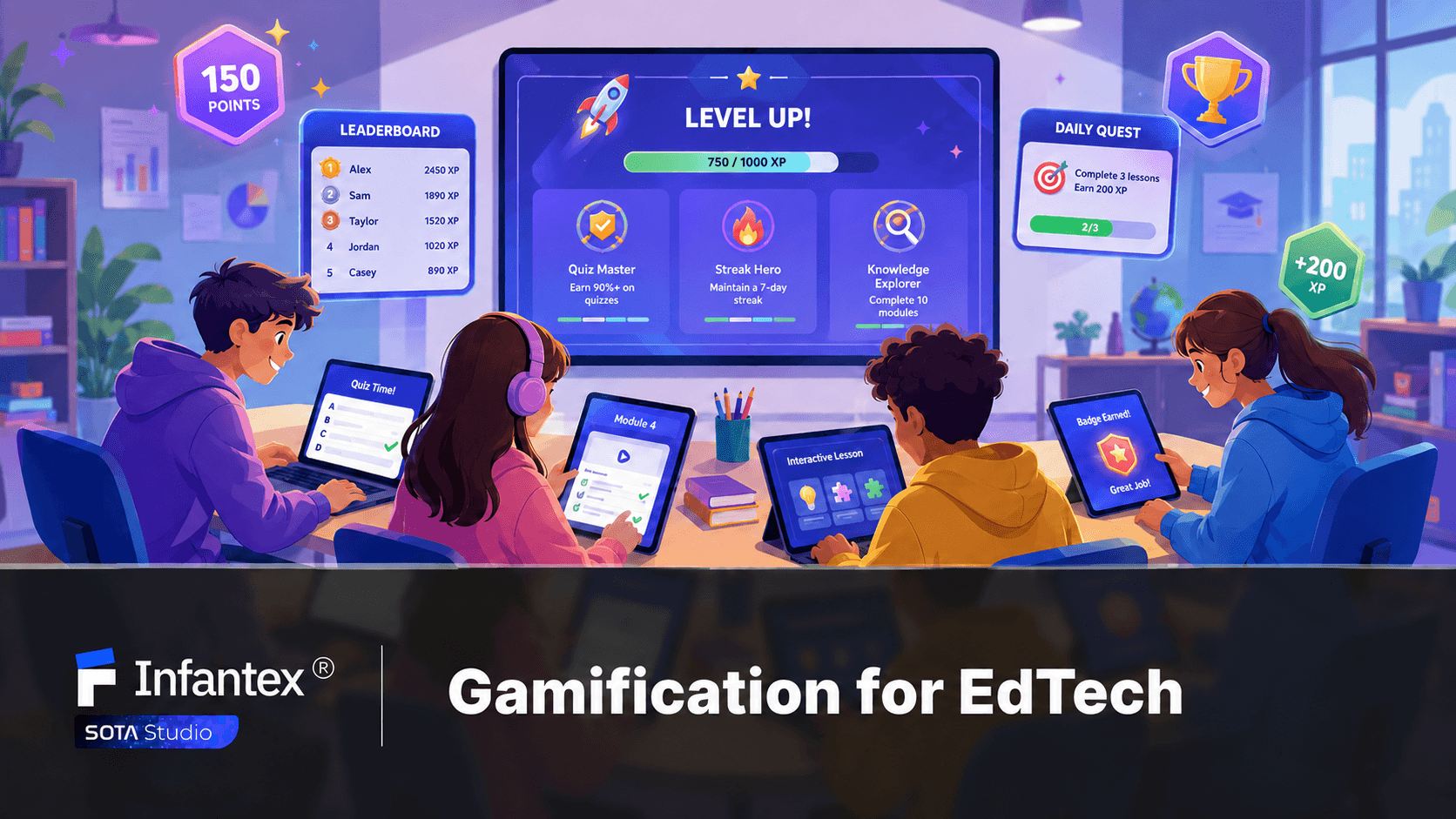
Online learning has transformed the way people acquire knowledge. From language-learning apps and professional certification programs to corporate training platforms, digital education has become more accessible than ever before. Yet despite the rapid growth of the EdTech industry, one challenge continues to affect almost every learning platform: keeping learners engaged long enough to achieve meaningful results. In this article, we'll explore how gamification is reshaping the EdTech landscape, the benefits it delivers, and how organizations can successfully implement gamified learning experiences.
What Is Gamification in EdTech?
At its core, gamification refers to the application of game-design elements in non-game environments. Within education, these elements are strategically incorporated into learning experiences to encourage engagement and reinforce positive learning behaviors. Importantly, gamification does not mean turning an entire course into a game. Instead, it involves adding motivational mechanics that make educational experiences more interactive and rewarding.
For example, learners may earn points after completing lessons, unlock badges for reaching milestones, or maintain streaks for studying consistently. These seemingly simple features create psychological incentives that encourage continued participation. The objective is not entertainment for its own sake. Effective gamification aligns game mechanics with educational goals, helping learners stay motivated while progressing toward meaningful outcomes. As a result, gamification has become an increasingly valuable tool for modern EdTech platforms seeking to improve both user experience and learning performance.
The Growing Demand for EdTech Gamification Services
As education providers recognize the benefits of gamification, many discover that implementation is more complex than it initially appears. The growing demand for gamified learning experiences is reflected in both research and market trends. Industry reports project the global education gamification market to grow at a CAGR of over 30% in the coming years, driven by the increasing need for learner engagement and retention. In addition, studies have shown that gamification can improve motivation, participation, and learning outcomes when aligned with educational goals.
However, successful gamification requires more than simply adding points or badges. It demands expertise in behavioral psychology, user experience design, educational strategy, and technical development. For this reason, many organizations seek specialized EdTech gamification service providers that can design systems aligned with both learning outcomes and business objectives. A well-designed gamification strategy ensures that every achievement, challenge, and reward enhances the learning experience rather than becoming a distraction.
How Gamification Influences Learner Behavior
To understand why gamification works so effectively, it is helpful to consider the psychology behind human motivation. People naturally enjoy challenges, progression, recognition, and achievement. These motivational drivers are present in everything from fitness applications and loyalty programs to social media platforms and video games. When these same principles are applied to education, learning becomes more engaging because users receive ongoing feedback about their progress.
Instead of feeling like they are working toward a distant goal, learners experience frequent moments of accomplishment throughout their journey. A progress bar, for example, gives users a visual representation of advancement. Achievement badges provide recognition for milestones reached. Daily streaks encourage consistent behavior by rewarding commitment over time. Together, these mechanics create a learning environment that feels dynamic rather than static. Most importantly, gamification helps transform learning from an obligation into an experience users actively want to continue.
Key Gamification Strategies Used by Successful Learning Platforms
Although every educational product serves different audiences, several gamification strategies have consistently proven effective across the industry.
Progress Tracking and Goal Visualization
One of the most widely used gamification features is progress tracking. When learners can clearly see how far they have progressed, they become more motivated to continue. Progress bars, completion percentages, and milestone indicators provide constant reinforcement that effort is producing results.

This visual feedback reduces uncertainty and helps learners maintain momentum, particularly during longer educational programs. Because of its simplicity and effectiveness, progress tracking often serves as the foundation of a successful gamification strategy.
Achievement Systems and Digital Rewards
Recognition plays a significant role in sustaining motivation. Many EdTech platforms reward learners with badges, certificates, or achievement levels as they complete courses and reach important milestones. These rewards create positive emotional responses and provide learners with tangible evidence of their accomplishments. Moreover, achievement systems break large educational goals into smaller successes, making learning feel more manageable and rewarding.
Learning Streaks and Habit Formation
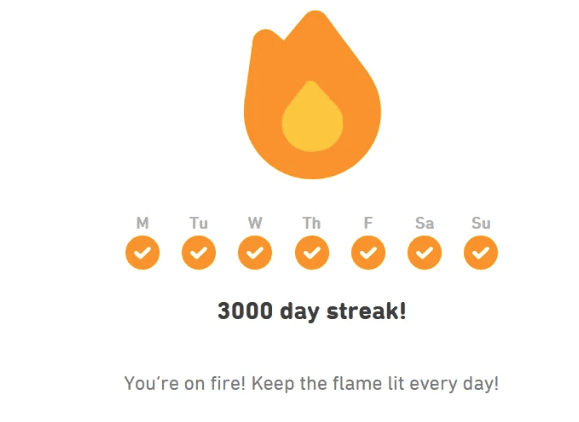
Building learning habits is one of the most important objectives for any educational platform. This is why learning streaks have become such a popular gamification mechanic. By rewarding users for consecutive days of activity, streak systems encourage consistency. Over time, learners become motivated not only by educational progress but also by the desire to maintain their streak. This simple mechanism has proven highly effective at improving retention and increasing daily active users.
Challenges and Mission-Based Learning
Another effective approach involves organizing educational content into missions, quests, or challenges. Rather than presenting learners with a lengthy curriculum all at once, platforms can divide learning objectives into smaller tasks with clear goals and rewards. This structure creates a stronger sense of progression while reducing the feeling of being overwhelmed. As learners complete each challenge, they gain confidence and remain motivated to continue.
The Business Benefits of Gamification for EdTech Companies
While gamification enhances the learner experience, its benefits extend beyond education outcomes alone. For EdTech businesses, improved engagement often translates directly into stronger business performance. When learners remain active longer, platforms typically experience higher retention rates and improved customer lifetime value. Increased engagement can also lead to stronger word-of-mouth referrals, higher subscription renewal rates, and greater overall user satisfaction.
Furthermore, gamification generates valuable behavioral data. By analyzing how users interact with challenges, rewards, and progression systems, companies can better understand learner preferences and optimize their products accordingly. For organizations operating in competitive markets, these advantages can become significant differentiators.
Real-World Applications of Gamification in Education
As gamification has matured, its applications have expanded far beyond simple points and badges. Language-learning platforms use gamified progression systems to encourage daily practice. Corporate training programs leverage achievement mechanics to improve employee participation. Schools incorporate rewards and challenges to increase classroom engagement. Professional certification providers use milestone systems to reduce dropout rates and guide learners through complex learning paths.

Although these implementations vary significantly, they share a common objective: creating learning experiences that users actively want to return to. This shift from passive consumption to active participation is one of the primary reasons gamification has become a cornerstone of modern educational technology.
Understanding Custom Game Development Cost for EdTech Projects
One of the first questions organizations ask when exploring gamification initiatives concerns custom game development cost. The answer depends on several factors, including project complexity, platform requirements, feature scope, and integration needs.
A simple reward and achievement system may require a relatively modest investment. On the other hand, a fully gamified learning ecosystem with personalized progression, social competition, advanced analytics, and interactive learning experiences will involve a larger development effort. Because every platform serves different audiences and objectives, the best approach is to define clear business goals before estimating project scope. Working with an experienced development partner can help organizations prioritize features and maximize return on investment.
How Infantex Helps EdTech Platforms Build Gamified Learning Experiences
As learner expectations continue to evolve, education providers need more than traditional platform development. They need experiences that motivate users to learn consistently and stay engaged over the long term. For companies looking to accelerate development and reduce risk, it often makes sense to hire a game development team with proven experience in educational products.
At Infantex, we help organizations achieve this through tailored gamification solutions and interactive learning experiences. Our Game Development service combines game design principles, user psychology, and modern technology to create educational products that drive measurable engagement.
Whether you're developing a language-learning application, corporate training platform, certification program, or online academy, our team can design gamification systems that align with your educational objectives and business goals. As a trusted branded game studio, Infantex supports organizations throughout the entire development process, from concept validation and user experience design to implementation and optimization.
Conclusion
Today's learners expect more than static content and traditional assessments. They seek engaging, interactive experiences that make learning feel rewarding and progress easy to track. As a result, gamification has become a powerful strategy for EdTech companies looking to improve engagement, retention, and learning outcomes.
Ready to bring gamification into your EdTech platform? Infantex provides custom game and gamification services to help education businesses create engaging learning experiences that boost retention and deliver measurable results. Contact our team to explore the right solution for your project.


Leave a request
Send us a request today!
Share your project brief, scope and timeline. Our team will reply within 24 hours.

Services
Game DevelopmentWeb3 Game DevelopmentCustom Game and GamificationGame Art Outsourcing & UI/UX Design ServicesDedicated Game Development TeamBlockchain Development and Whitelabel ServicesContact us
- Address
- 16F, MD Complex Tower, 68 Nguyen Co Thach Street, Tu Liem District, Ha Noi Capital, Vietnam
- sale@infantex.io
© Copyright 2026 Infantex . All rights reserved.