
POST
Aug 4, 2026
Game Art Outsourcing: The Complete Guide for Game Studios (2026)
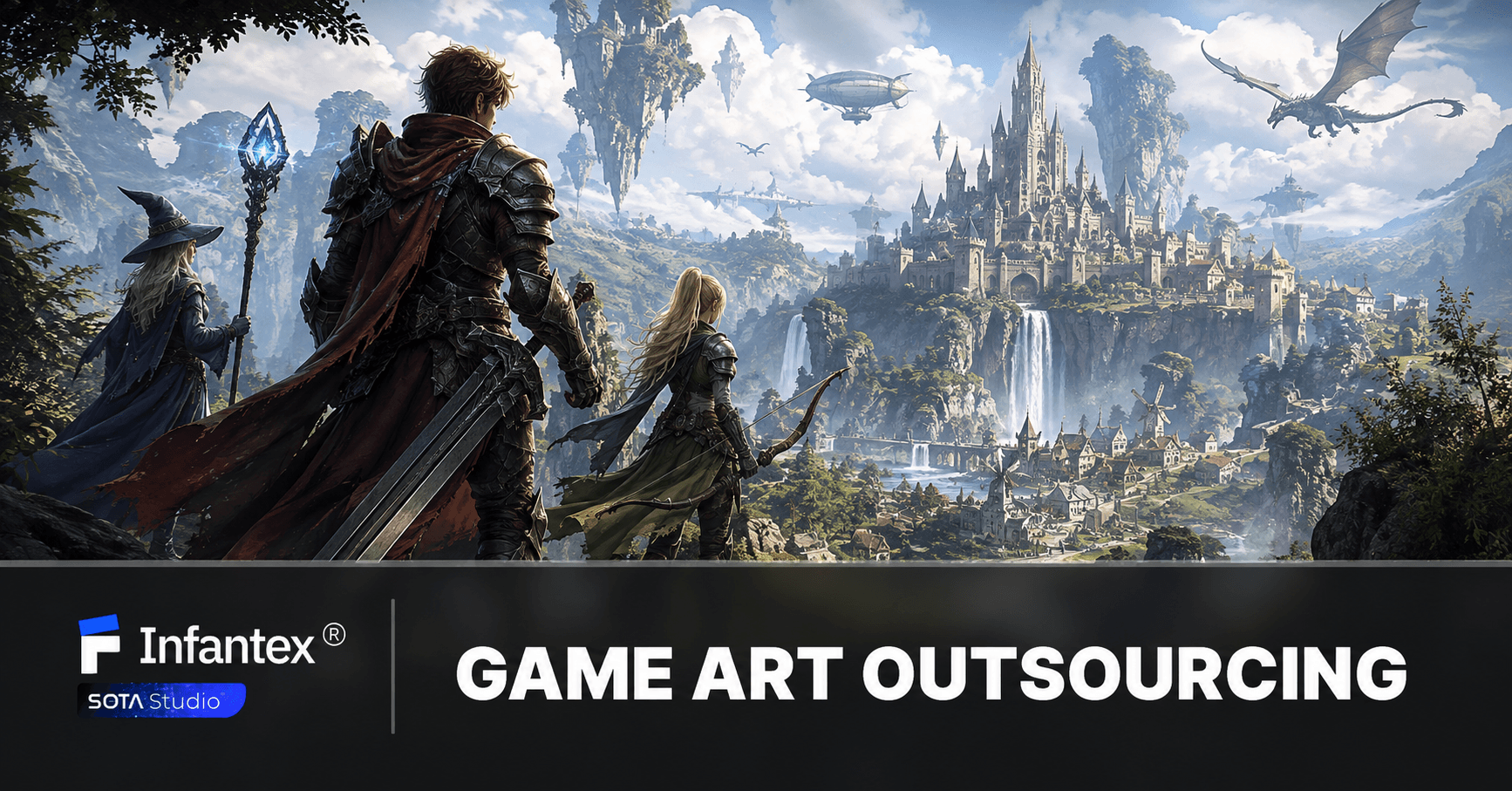
Game art has quietly become one of the biggest line items on a studio's budget and one of the hardest to staff. A single mobile title can require dozens of character variations, environment sets, UI screens, and marketing assets, all before the gameplay even ships. At the same time, senior 2D and 3D artists are some of the most competitive hires in tech, with wait times of months for the right specialist in some regions. That gap between what a game needs visually and what a studio can realistically build in-house is exactly why outsourcing has moved from a cost-cutting tactic to a core production strategy.
This guide walks through what game art outsourcing actually covers, when it makes sense, how to evaluate a partner and what has changed heading into 2026.
What Is Game Art Outsourcing?
create visual assets for a game. Instead of hiring additional in-house artists for every production phase, developers work with experienced partners who deliver assets according to the project's creative vision, technical specifications, and production schedule.
Unlike the traditional perception of outsourcing, modern game art outsourcing is highly collaborative. External artists don't replace your internal team, they complement it. Art directors continue to define the visual style, while producers manage priorities and milestones. The outsourcing team focuses on transforming those creative directions into production-ready assets that seamlessly fit into the game.
Why Studios Outsource Game Art
The case for outsourcing usually comes down to a mix of timing, cost, and access to skills that don't exist on the current roster. A studio might have a strong gameplay programmer team but no one who specializes in stylized character design, or a small indie team that needs a burst of environment art for a milestone build without hiring a full-time artist they can't sustain afterward.
Cost is part of the equation, but it's rarely the whole story anymore. Outsourcing partners based in regions like Vietnam and Southeast Asia have built strong reputations not just for competitive rates, but for mature production pipelines that can match the quality bar of Western AAA studios. What used to be a trade-off between price and quality has become less of a compromise and more of a genuine alternative sourcing strategy.
What Types of Game Art Can Be Outsourced?
Almost every visual layer of a game can be outsourced today and studios increasingly mix and match depending on what their internal team is missing.
Concept Art
Every successful game begins with a strong visual direction. During pre-production, concept artists transform ideas into tangible designs that establish the look and feel of the game. This includes character explorations, environments, props, weapons, vehicles, creatures, mood boards, and color studies. Outsourcing concept art enables studios to quickly explore multiple creative directions without overloading their internal art team. It also provides fresh perspectives that can inspire new ideas before production begins.
3D Character Art
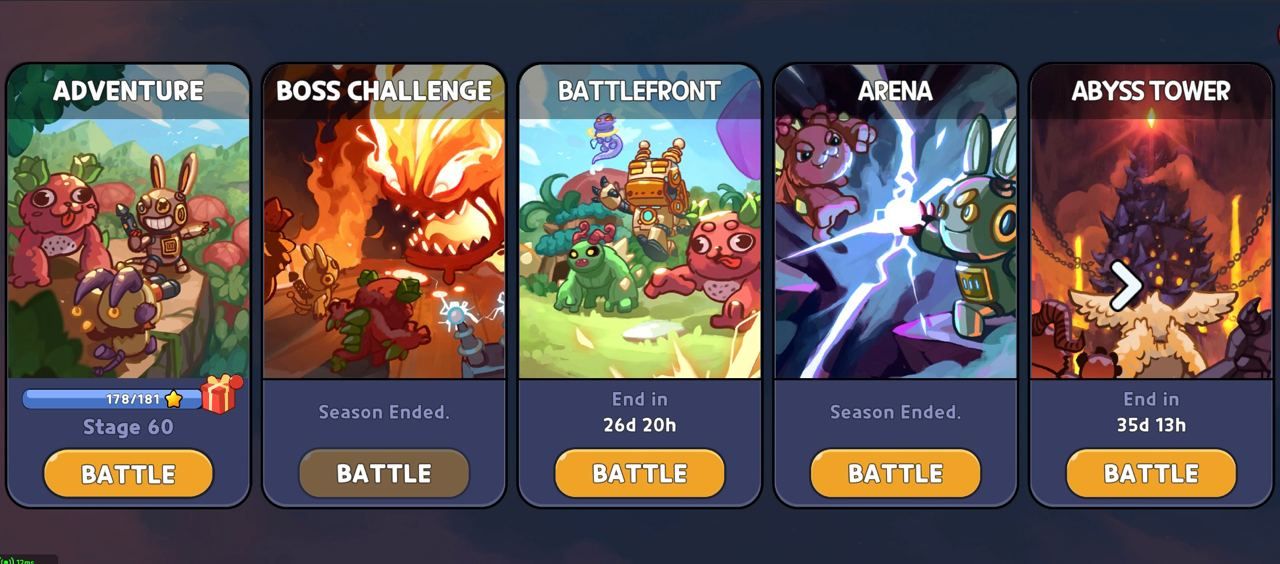
Characters are often the most recognizable part of a game, making high-quality character art essential for both gameplay and marketing. As a core part of 3D Art production, creating production-ready characters involves much more than sculpting a visually appealing model. Artists must consider topology, UV mapping, texturing, rigging compatibility, optimization, and engine requirements. Experienced outsourcing teams can produce stylized, realistic, or hybrid character models optimized for Unity, Unreal Engine, or other production pipelines while maintaining consistency with the game's artistic direction.
Props and Hard Surface Assets
Beyond characters and environments, games rely on countless supporting assets such as weapons, furniture, vehicles, machinery, collectibles, and interactive objects. Although these assets may seem smaller individually, together they represent a significant portion of overall production time. By outsourcing prop creation, studios can reduce bottlenecks and ensure that every asset meets the required quality standards without distracting internal artists from higher-priority work.
Animation
Static assets only become engaging experiences when they're brought to life through animation. Character locomotion, combat sequences, facial expressions, cinematic animations, and interactive object movements all contribute to creating immersive gameplay. Outsourcing animation allows studios to access specialists with experience in gameplay animation, cinematic production, motion capture cleanup, and engine integration. This is particularly beneficial when projects require large animation libraries within tight production schedules.
Splash Art
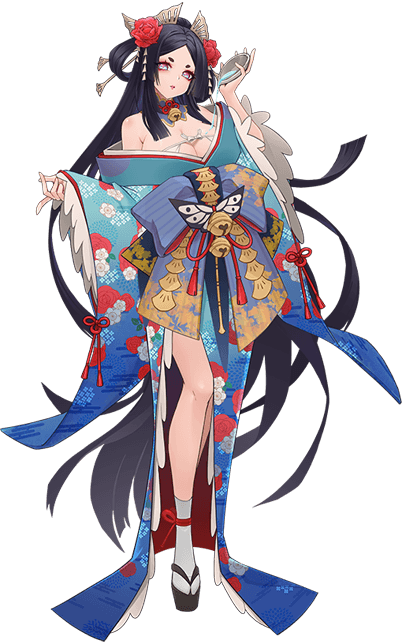
Game art extends beyond the game itself. Promotional illustrations, splash art, key visuals, store banners, social media graphics, and event artwork all play an important role in attracting players before launch and maintaining engagement afterward. Since marketing campaigns often require fast turnaround times, many studios outsource these assets to dedicated illustration teams while internal artists remain focused on development.
LiveOps Content
For live-service games, content creation continues long after release. Seasonal events, holiday themes, battle passes, limited-time cosmetics, and collaboration campaigns all require new visual assets on a regular basis. Rather than increasing permanent headcount for temporary production spikes, studios often rely on outsourcing partners to support LiveOps schedules while maintaining a consistent artistic style across every update.
The Real Benefits of Game Art Outsourcing
Game art outsourcing brings value at every stage of game development. Let's take a closer look at the key benefits it offers.
Faster Production
One of the biggest advantages of game art outsourcing is the ability to accelerate production. Instead of spending months recruiting and onboarding new artists, studios can quickly expand their teams with experienced professionals who are ready to contribute. This allows projects to maintain momentum, meet important milestones, and reduce delays without compromising quality.
Access to Specialized Talent
Modern game development requires expertise across multiple disciplines, from concept art and character modeling to environment design, animation, UI/UX, and technical art. Building an in-house team with every specialization can be costly and time-consuming. Outsourcing gives studios access to artists with the exact skills needed for each stage of production, ensuring assets are created by professionals with relevant experience.
Greater Scalability
Production demands rarely remain constant throughout a game's lifecycle. Some phases require additional artists to handle large volumes of assets, while others need only a small core team. Game art outsourcing provides the flexibility to scale resources up or down based on project requirements, helping studios manage workloads more efficiently without committing to permanent hires.
Cost Efficiency
Hiring full-time artists involves salaries, recruitment, training, employee benefits, software licenses, and workspace costs. Outsourcing offers a more flexible alternative by allowing studios to pay only for the resources they need. This approach helps optimize budgets while maintaining access to high-quality art production, making it particularly valuable for indie developers, startups, and studios managing multiple projects.
Long-Term Production Partnership
The greatest value of game art outsourcing often comes from building a long-term partnership rather than completing a single project. As an outsourcing team becomes familiar with a studio's artistic vision, production pipeline, and technical standards, collaboration becomes more efficient with every milestone. Fewer revisions, smoother communication, and greater consistency allow studios to scale future projects with confidence while maintaining the quality players expect.
How the Game Art Outsourcing Process Works
Although every project has unique requirements, most professional game art outsourcing engagements follow a similar workflow.
Step 1: Define the Project Scope
Every successful collaboration starts with a detailed project brief. Before production begins, studios should clearly define the assets required, technical specifications, target platforms, preferred art style, production timeline, and delivery expectations. Providing reference images, style guides, polygon budgets, naming conventions, and engine requirements early helps reduce misunderstandings and minimizes revisions later in the project.
Step 2: Align on Art Direction
Once the project requirements are understood, the outsourcing team works closely with the client to establish a shared creative direction. This stage often includes style validation, concept reviews, technical discussions, and production planning. Taking time to align expectations early ensures that every artist works toward the same visual goals, reducing costly rework during later stages of production.
Step 3: Asset Production
With the direction approved, artists begin production according to the agreed schedule. Depending on the project, this may include concept sketches, high-poly sculpting, retopology, texturing, rigging, animation, UI design, or illustration. Rather than waiting until everything is complete, professional outsourcing studios typically deliver work in milestones. This allows clients to review progress regularly and provide feedback before production moves too far ahead. Frequent communication during this phase helps maintain quality while preventing small issues from becoming larger problems.
Step 4: Review and Iteration
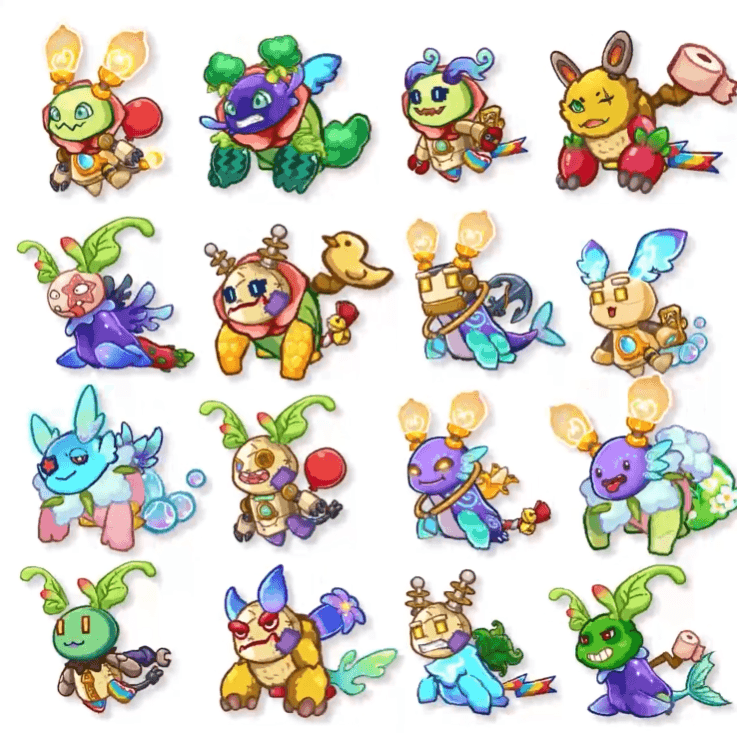
Game art production is an iterative process. Feedback is expected, and revisions are a natural part of achieving the desired quality. During review cycles, art directors evaluate assets for artistic consistency, technical accuracy, gameplay requirements, and engine compatibility. Constructive feedback helps both teams stay aligned and ensures the final assets match the project's creative vision. Efficient outsourcing partners embrace this collaborative process rather than treating revisions as setbacks.
Step 5: Quality Assurance and Delivery
Before delivery, assets undergo technical and artistic quality checks. Depending on the project, this may include verifying topology, UV layouts, texture quality, naming conventions, file organization, animation performance, and engine compatibility. Comprehensive quality assurance reduces integration issues and enables internal teams to implement assets more quickly, saving valuable development time.
Step 6: Ongoing Support
For many studios, outsourcing doesn't end with the delivery of a milestone. As production continues, new assets, revisions, and LiveOps content often become necessary. Long-term outsourcing partners continue supporting development by producing additional content, responding to new requirements, and helping studios maintain a consistent visual identity throughout the game's lifecycle.
How to Choose the Right Game Art Outsourcing Company
Choosing the right game art outsourcing company can have a significant impact on your project's quality, timeline, and overall success. While every studio has different requirements, the best outsourcing partners share a few common characteristics: strong artistic capabilities, proven industry experience, transparent communication, and a structured production process.
At Infantex, we understand that successful outsourcing is about more than delivering great-looking assets, it's about becoming a trusted extension of your development team. Our artists collaborate closely with clients throughout every stage of production. Our Game Art Outsourcing services cover the entire art pipeline, including Concept Art, 3D Character Art, 3D Environment Art, Animation, Splash Art, LiveOps Content and UI/UX Design. Whether you need support for a single production sprint or a dedicated art team for long-term development, we provide flexible engagement models that scale with your project.
Read more: How to Hire a Dedicated Game Development Team: Step-by-Step Guide
Conclusion
Game art outsourcing has become a strategic solution for studios looking to scale production, access specialized talent, and deliver high-quality visual assets more efficiently. With the right outsourcing partner, you can streamline production while staying focused on building great games. If you're looking for a trusted game art outsourcing partner, Infantex is here to help. Contact us today to discuss your project and discover how our Game Art team can bring your ideas to life with high-quality, production-ready assets.

MOST POPULAR

01/10
Leave a request
Send us a request today!
Share your project brief, scope and timeline. Our team will reply within 24 hours.
Services
Game DevelopmentWeb3 Game DevelopmentCustom Game and GamificationGame Art Outsourcing & UI/UX Design ServicesDedicated Game Development TeamBlockchain Development and Whitelabel ServicesContact us
- Address
- 16F, MD Complex Tower, 68 Nguyen Co Thach Street, Tu Liem District, Ha Noi Capital, Vietnam
- sale@infantex.io
© Copyright 2026 Infantex . All rights reserved.