2D Game Art: Styles, Pipeline and When to Outsource
2D game art is more than a visual layer added to a game. It shapes the player experience, establishes a recognizable identity, and influences how efficiently a game can be developed. From expressive anime characters to nostalgic pixel art and polished realistic illustrations, the right art style helps developers communicate their vision and connect with their target audience.
However, choosing a 2D game art style is only the beginning. Studios also need a reliable production pipeline to maintain visual consistency, meet technical requirements, and deliver assets on schedule. This guide explores the most popular 2D game art styles, explains the production pipeline, and outlines when outsourcing makes sense for your project.
What Is 2D Game Art?
2D game art refers to the visual assets created for two-dimensional games. These assets include characters, environments, props, backgrounds, user interface elements, icons, and animation frames. Artists may create them using digital painting, vector illustration, pixel-based techniques, or other drawing methods, depending on the game's visual direction.
Unlike 3D game art, which typically involves modeling, texturing, lighting, and rendering three-dimensional objects, 2D production focuses on flat images, layered illustrations, sprites, and their movement across the screen. Some games also combine 2D artwork with 3D environments or effects to create a distinctive visual experience. The scope of 2D game art depends on the project's genre and mechanics. A platformer may require detailed character sprites, environmental tiles, and movement animations, while a strategy game may need hundreds of unit illustrations, item icons, and interface assets. A narrative-driven game, meanwhile, may prioritize character portraits, expressive facial variations, and cinematic backgrounds.
Selecting the right 2D game art style involves more than choosing an aesthetic that looks appealing. The style should support the gameplay, reflect the game's identity, and remain practical to produce throughout development.
1. Anime Game Art Style
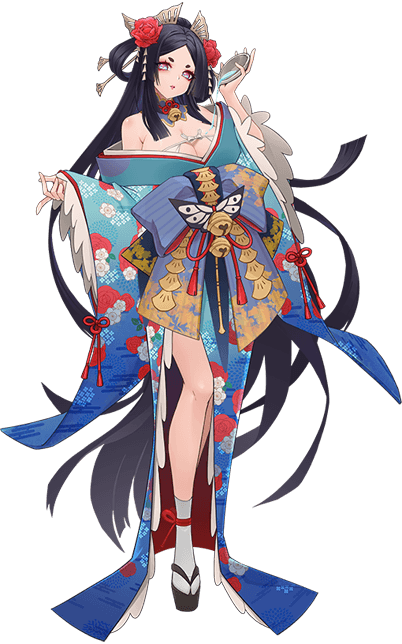
Anime-inspired game art features expressive characters, distinctive facial designs, stylized proportions, and carefully controlled color palettes. Artists often use detailed linework, dramatic lighting, and dynamic poses to communicate emotions and personality. This style is particularly suitable for role-playing games, visual novels, collectible character games, and story-driven adventures. Character design is often a major part of the player experience, especially when games rely on narrative connections, character progression, or collectible rosters.
Anime art can also support strong marketing visuals through character illustrations, promotional artwork, and key visuals. However, maintaining consistency across a large character roster requires clear guidelines for anatomy, facial features, shading, costume details, and lighting.
2. Pixel Art Game Style
Pixel art recreates visual elements through deliberately placed pixels, creating a distinctive aesthetic associated with classic video games. Modern pixel art game projects often combine retro-inspired graphics with sophisticated color palettes, detailed environments, and fluid animation. This style is popular in indie platformers, roguelikes, farming simulations, action-adventure games, and retro-inspired RPGs. Its relatively compact visual language can make it suitable for smaller teams, but pixel art should not automatically be considered inexpensive or easy to produce.
Every sprite must follow consistent pixel density, proportions, outlines, and palette rules. Character animations may require numerous carefully drawn frames, while environmental tiles need to connect seamlessly without visible inconsistencies. The most effective pixel art game assets remain readable at their intended display size. Excessive detail can make characters and objects difficult to distinguish, particularly during fast-paced gameplay.
3. Cartoon Game Art Style
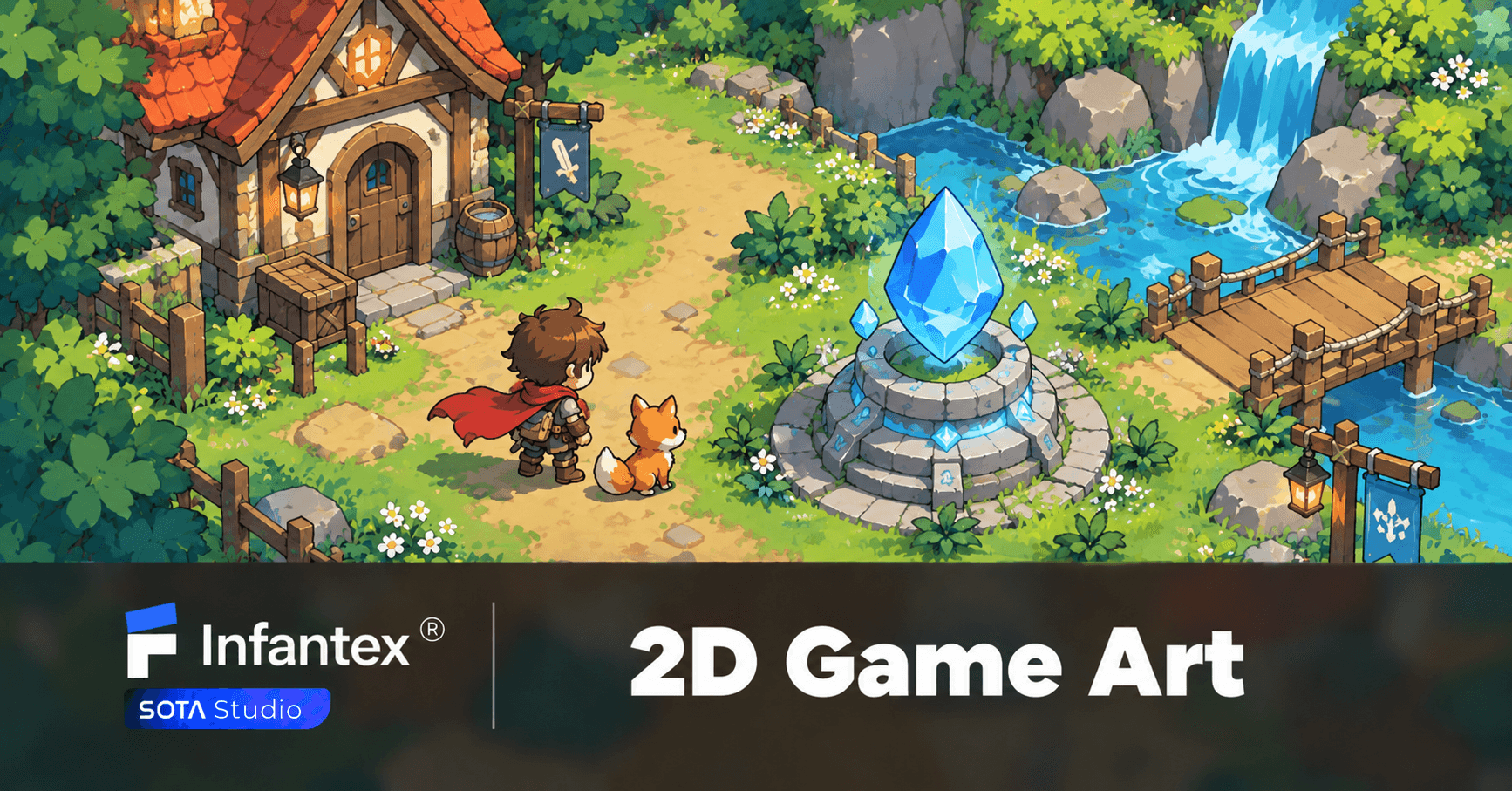
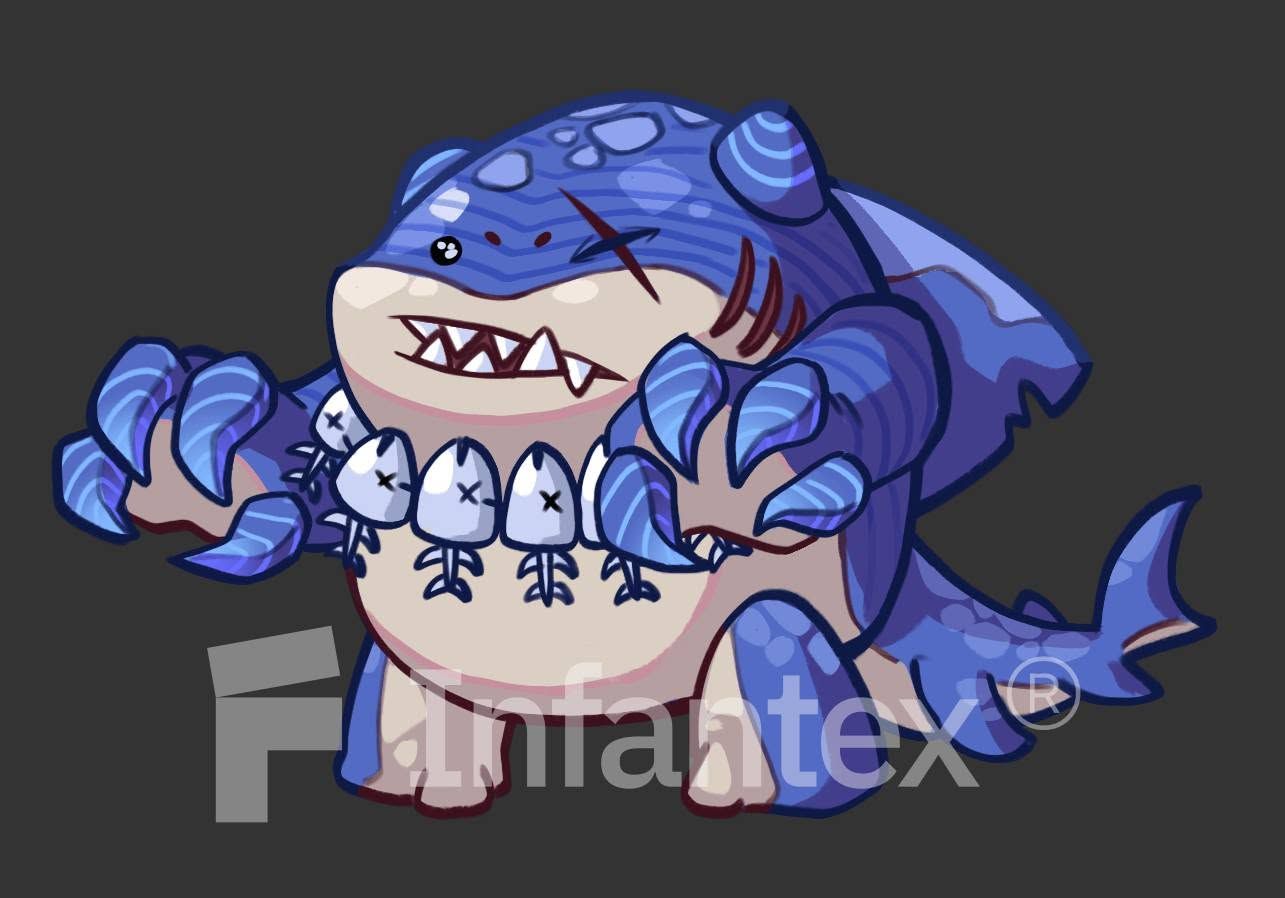
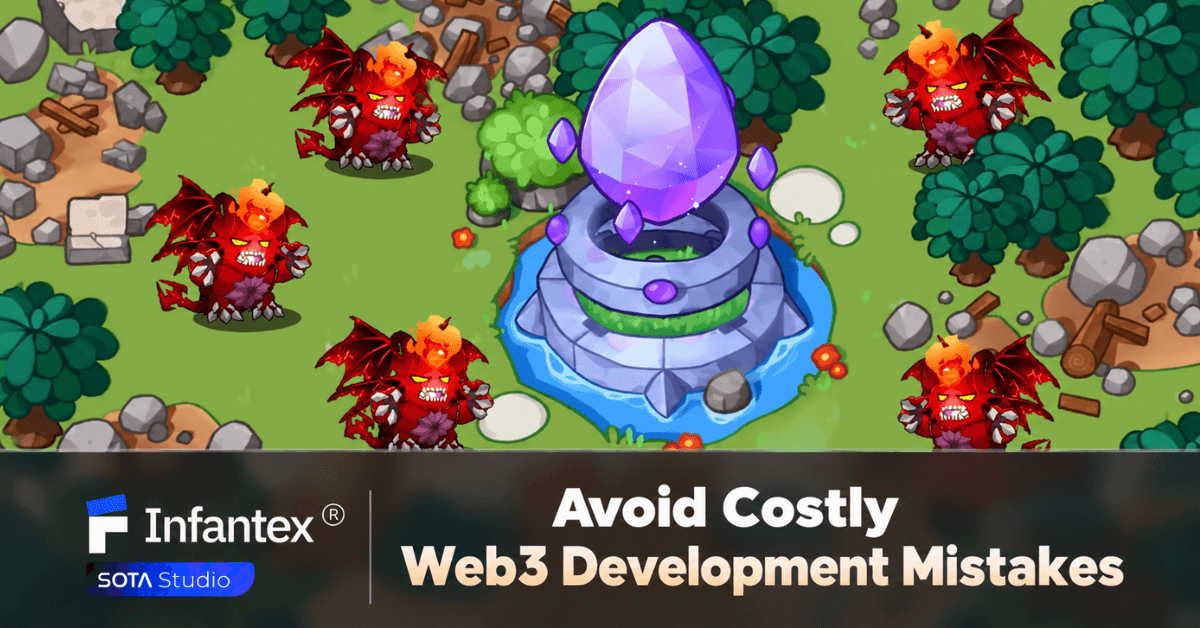
Cartoon-style game art uses exaggerated proportions, bold silhouettes, vibrant colors, and simplified forms to create an approachable visual identity. Characters often have expressive faces and exaggerated movements, making their personalities easy to recognize. This style works well for casual mobile games, platformers, puzzle games, family-friendly titles, and multiplayer experiences. Its flexibility allows developers to create memorable characters without relying on photorealistic detail.
Cartoon art can also support efficient content production. Once a visual language has been established, artists can create additional characters, props, environments, and cosmetic variations using shared design principles. Nevertheless, simplicity does not eliminate the need for artistic consistency. Line thickness, shape language, color saturation, proportions, and shadow treatment must remain coherent across the entire game.
4. Realistic 2D Game Art Style
Realistic 2D game art aims to represent believable materials, lighting, anatomy, and environmental details within a two-dimensional format. Artists may use digital painting and advanced rendering techniques to create immersive scenes without building fully three-dimensional assets. This approach is suitable for narrative adventures, historical games, horror titles, tactical RPGs, and projects that depend on atmosphere or emotional storytelling.
Realistic artwork can make environments feel more grounded and characters more expressive. However, detailed rendering often increases the time required for asset creation, revisions, and consistency checks. Lighting, perspective, anatomy, and material treatment must work together to maintain a convincing visual result. For projects with limited budgets, semi-realistic or painterly approaches can provide a practical balance between visual richness and production demands.
How to Choose the Right 2D Game Art Style
Choosing an appropriate style requires balancing creative goals with practical production constraints. A visually impressive concept may not be the right choice if it conflicts with the game's mechanics, target platform, or available resources.
Consider Your Game Genre and Target Audience
Start by identifying what players should feel when they experience the game. A lighthearted puzzle game may benefit from colorful cartoon visuals, while a story-driven RPG may require expressive anime characters or detailed illustrations. The target audience also influences how players respond to visual design. Developers should consider genre expectations, cultural preferences, age groups, and the types of games their audience already enjoys.
Evaluate Your Budget and Timeline
Different art styles create different production workloads. Simple cartoon assets may be relatively quick to reproduce once the style guide is established, while detailed realistic illustrations often require more time per asset.
Pixel art can also demand substantial effort when a project includes numerous animation frames, complex environments, or many character variations.
Instead of evaluating a style based on its apparent simplicity, estimate the total number of assets, their required detail, animation complexity, and expected revision cycles. These factors provide a more realistic basis for production planning.
Match the Style to Gameplay and Platform
Art assets must remain clear within the actual gameplay environment. Characters need recognizable silhouettes, interactive objects must stand out, and visual effects should communicate important actions without obscuring the screen.
Mobile games require particular attention to readability at small resolutions, while PC and console games may allow more detailed backgrounds and larger illustrations. Performance, memory usage, sprite dimensions, and animation formats should also be considered during production planning.
Establish a Consistent Art Direction
Once a style has been selected, document the rules that define it. A useful style guide includes color palettes, proportions, linework, lighting, shading, perspective, and examples of approved assets. This becomes especially important when multiple artists work on the same project. A shared reference system helps maintain consistency and reduces unnecessary revisions as production scales.
A structured 2D game art pipeline transforms an initial visual concept into production-ready assets that can be integrated into the game. Although individual workflows vary, most projects follow several connected stages.
Step 1: Concept Development and Art Direction
The process begins with an understanding of the game's genre, mechanics, target audience, and visual objectives. Artists and art directors explore references, mood boards, color palettes, and initial concepts to establish the desired look. At this stage, the team should define the main visual principles before committing to large-scale asset production. Early alignment reduces the risk of producing extensive artwork that later requires significant redesign.
Step 2: Asset Planning and Design
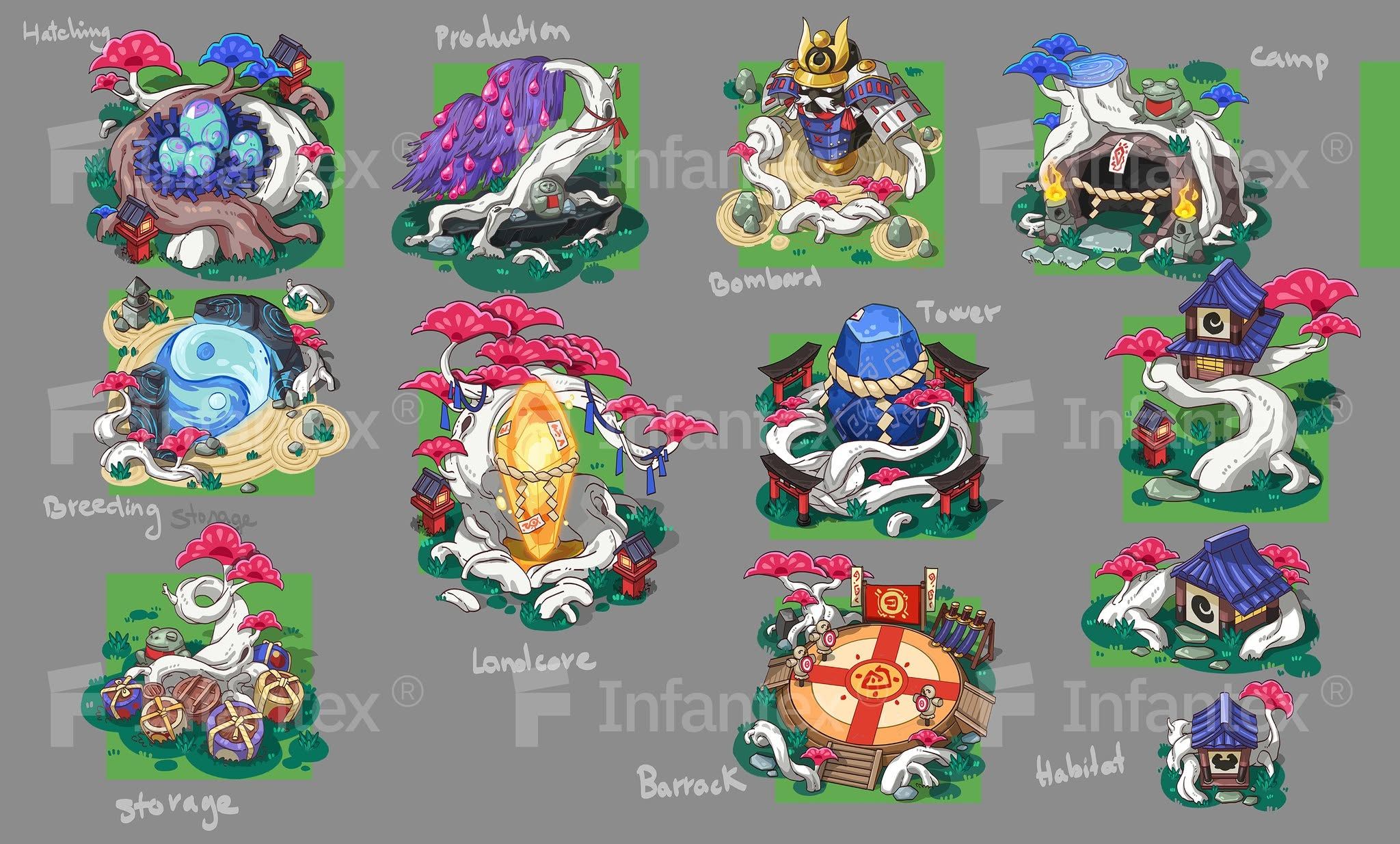
After the art direction is approved, the team identifies the assets required for each game system or level. This may include character sheets, environmental elements, props, backgrounds, icons, and interface components. Artists develop initial designs and determine how each asset will function within the game. Characters intended for animation may require separate layers or specific poses, while environment assets may need modular layouts or reusable elements.
Step 3: Asset Production
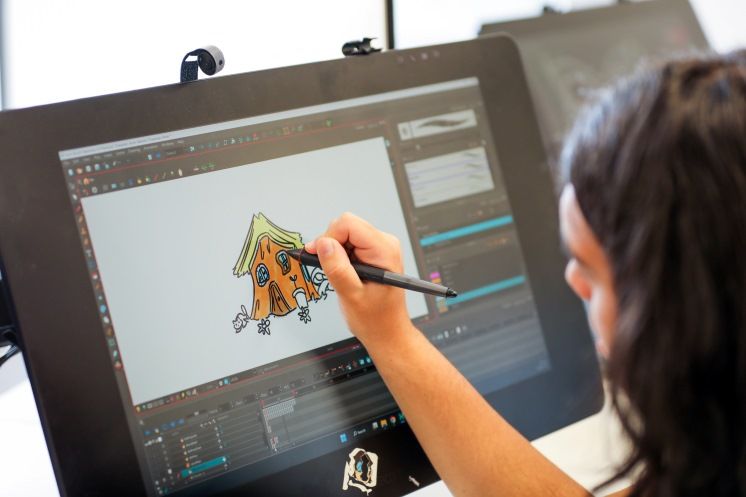
The production stage involves creating the final artwork according to the approved specifications. Depending on the style, artists may use digital painting software, vector tools, pixel art editors, or animation software.
Regular reviews help identify inconsistencies before they affect larger batches of assets. Rather than waiting until every asset is finished, teams should review representative samples and provide consolidated feedback throughout production.
Step 4: Animation and Technical Preparation
Static illustrations must be prepared for their intended use in the game. This can involve separating layers, creating sprite sheets, preparing animation frames, building skeletal rigs, and defining pivots or anchor points. The appropriate approach depends on the project. Frame-by-frame animation may be suitable for detailed pixel art or expressive hand-drawn movement, while skeletal animation can help reuse movements across characters with compatible structures.
Step 5: Integration and Quality Assurance
The final stage brings the assets into the game engine, where the team checks their appearance and functionality. Artists and developers verify dimensions, transparency, naming conventions, file formats, animation playback, and visual consistency. Assets should also be evaluated in actual gameplay conditions rather than only in isolated image previews. This helps identify issues with scale, readability, layering, and performance before the game moves toward release. A reliable pipeline connects every stage through clear documentation, defined approval points, and consistent communication.
When Should You Outsource 2D Game Art?
Building an internal art team provides creative control, but maintaining sufficient capacity for every production phase can be challenging. 2D game art outsourcing allows studios to bring in external specialists when project requirements exceed their existing resources.
When Your Internal Team Cannot Meet Production Deadlines
Art production can become a bottleneck when developers need large numbers of characters, environments, or interface assets within a fixed schedule. Hiring additional full-time employees may take too long, particularly when the increased workload is temporary. An outsourcing partner can provide additional production capacity while the internal team continues managing core development tasks. This is especially useful during vertical-slice development, content expansion, and preparation for launch.
When You Need Specialized Artistic Skills
Not every studio has in-house expertise across anime illustration, pixel art, detailed environment painting, character animation, and UI design. Outsourcing provides access to artists with relevant experience without requiring the studio to recruit every specialty permanently. For example, a team developing a pixel art game may need dedicated pixel artists for character sprites and environmental tiles, while a narrative game may require specialists in character portraits and promotional illustrations. The key is to select a partner whose portfolio demonstrates the specific style and production quality your project requires.
When You Need to Scale Production Flexibly
A game's art requirements often change throughout development. Early stages may prioritize concept exploration and prototype assets, while later milestones require larger volumes of finished artwork. External production capacity allows studios to adjust team size according to workload. It can also help internal artists focus on creative direction, signature characters, and other elements that define the game's identity.
When You Want to Control Long-Term Staffing Costs
Maintaining a large in-house art department creates ongoing salary, recruitment, equipment, and management expenses. Outsourcing can offer an alternative when demand fluctuates or the project does not justify permanent specialist roles. However, outsourcing is not automatically cheaper. Costs depend on the asset scope, complexity, revision requirements, delivery schedule, and level of project management involved. Studios should compare the total cost and expected output of each model rather than evaluating hourly rates alone. You can explore our guide to Game Art Outsourcing Costs to learn more about budgeting for your game art production.
How Infantex Supports 2D Game Art Production
Infantex provides game art outsourcing services to help studios scale production and bring their creative visions to life. Our capabilities cover 2D and 3D game art, including character art, environment art, concept art, splash art and key visuals, animation, and LiveOps content. We work to ensure that every asset aligns with your game's art direction and production requirements.
With flexible art production support, studios can expand their creative capacity while keeping internal teams focused on game design, core mechanics, and overall creative direction. A structured workflow and consistent quality reviews help maintain visual coherence across assets and support smoother development.
Whether you are developing a new title or expanding an existing game, Infantex can help you meet your game art production needs. Explore our project portfolio to discover our work and see how we can support your next game.
Conclusion
Choosing the right 2D game art style and building an effective production pipeline are essential to creating a visually consistent game. Anime, pixel art, cartoon, and realistic illustration each offer different creative opportunities, but the right choice must also support gameplay, technical requirements, and production goals.
When internal resources become stretched or specialized skills are needed, 2D game art outsourcing can help studios scale production without expanding their permanent teams. With clear art direction, structured reviews, and a capable production partner, studios can maintain quality while moving development forward.
Frequently Asked Questions About 2D Game Art
What are the most popular 2D game art styles?
Common styles include anime, pixel art, cartoon, realistic illustration, and hand-painted art. The best option depends on the game's genre, target audience, budget, and visual direction.
Is pixel art game development cheaper than other 2D styles?
Pixel art can be cost-effective for projects with limited asset complexity, but it is not always cheaper. Detailed sprites, multiple animation frames, and large numbers of unique characters can require considerable production time.
What does a 2D game artist do?
A 2D game artist creates visual assets such as characters, environments, props, backgrounds, icons, and illustrations. Depending on their specialization, they may also prepare sprites, create animation frames, or develop concepts and visual guidelines.
What is included in 2D game art outsourcing?
Typical services include concept art, character design, environment art, props, sprite production, animation, UI assets, and promotional illustrations. The exact scope depends on the studio's requirements and the outsourcing agreement.
When should a game studio outsource art production?
Outsourcing is worth considering when internal resources cannot meet deadlines, a project requires specialized artistic skills, asset production needs to scale quickly, or permanent hiring is not practical.
How can studios maintain consistent art quality when outsourcing?
Studios should establish a clear style guide, provide annotated references, define technical specifications, review initial samples, and consolidate feedback through a designated art director or project owner.