Custom Game Development Cost & Timeline: Complete Guide for Brands and Marketers
In recent years, businesses across industries have increasingly adopted custom game experiences to attract customers, boost engagement and improve brand loyalty. From interactive marketing campaigns and loyalty programs to educational experiences and lead generation activities, game-based experiences have become a powerful business tool.
However, one of the most common questions brands ask before starting a project is: How much does it cost to make a custom game?
This comprehensive guide breaks down custom game development cost, explains key pricing factors, explores timelines, and helps brands understand what to expect when investing in a game-based marketing strategy.
Why Brands Are Investing in Custom Games Right Now
Before we get into pricing, it's worth understanding why custom game development is having such a big moment.
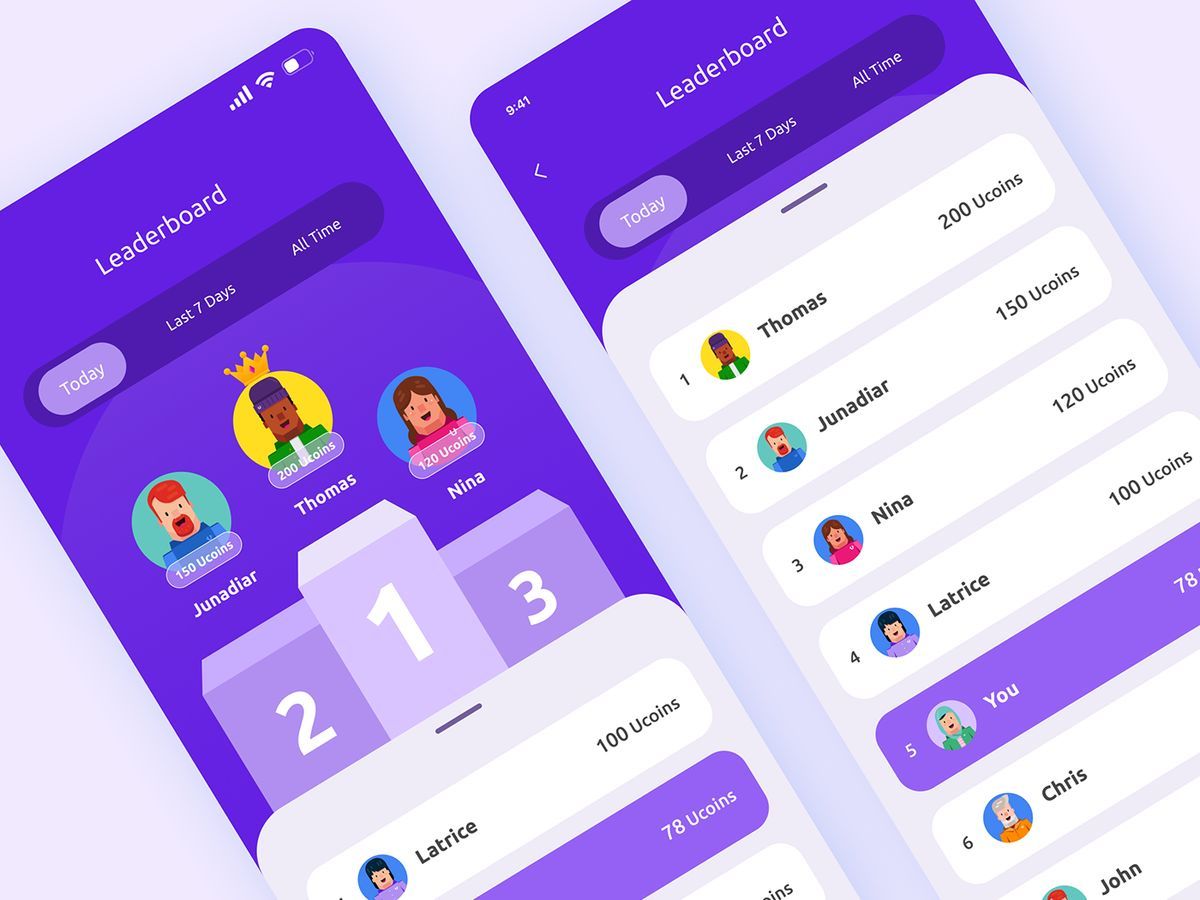
Traditional digital advertising is getting harder. Ad blockers, banner blindness, and shrinking attention spans mean that interruption-based marketing is losing effectiveness. Games flip the script instead of pushing a message at someone, you invite them to participate. And the results back it up: branded games regularly achieve 5–15 minutes of average session time compared to mere seconds for typical ads, gamification mechanics like points and leaderboards can lift conversion rates by 20–40%, and interactive experiences generate far more social sharing than static content. Perhaps most importantly for modern marketers, custom games give you 100% ownership of user data, no third-party cookies required.
Let's get straight to it. Custom game development cost varies enormously depending on scope, platform, and the team you hire. Here's a realistic breakdown across three tiers.
Simple Mini-Games & Web-Based Experiences — $5,000 to $25,000
This tier covers browser-based games, HTML5 experiences, and simple interactive campaigns — think spin-the-wheel promotions, branded quiz or trivia formats, simple endless-runner mechanics, or advent calendar-style interactive content. Mini-game development pricing at this level typically includes basic gameplay, brand customization, a leaderboard, and integration with your existing website or campaign landing page. Timeline is usually 4–8 weeks from brief to launch.
This is the sweet spot for brands running a seasonal campaign or testing gamification for the first time. The gamification service cost at this level is accessible, and ROI can be measured quickly without a massive commitment.
Mid-Range Custom Games — $25,000 to $100,000
Here's where things get more interesting. At this business game development pricing tier, you can build multi-level branded games with original mechanics, mobile-optimized experiences for both iOS and Android, social or multiplayer features, deep data capture and CRM integrations, and rich animation with custom art assets. Custom mobile game development cost typically falls in the middle-to-upper end of this range, a polished branded mobile game with several levels, social sharing features, and a custom reward system will generally land between $40,000 and $80,000. Timeline stretches to 3–6 months, accounting for design, development, testing, and launch.
This is the most common tier for established brands running major marketing campaigns, product launches, or loyalty program enhancements. You get enough room to build something genuinely engaging without the overhead of a full production.
Full-Scale Custom Game — $100,000 and Above
Enterprise-level branded game development cost can reach well into six figures and beyond. These are full productions in every sense — AAA-quality branded mobile or PC games, persistent multiplayer worlds, complex progression systems with in-app economies, AR/VR experiences, and long-term platforms designed for ongoing live-ops and content updates. Timeline for this tier is typically 6–18+ months. You're essentially building a product, not just a campaign asset, and the investment reflects that.
The Cost to Gamify a Marketing Campaign
Sometimes brands don't need a standalone game, they want to add gamification mechanics to an existing campaign, website, or platform. This approach is increasingly popular and typically more accessible than full game development.
The cost to gamify a marketing campaign scales with the complexity of the mechanics being added. A points-and-badges system added to a loyalty program typically runs $3,000–$15,000. A progress bar with reward unlocks on a campaign landing page is lighter work, usually in the $2,000–$8,000 range. A leaderboard competition tied to purchases or referrals sits around $5,000–$20,000. A full gamification layer built across a website or app with multiple interconnected mechanics can reach $20,000–$60,000 or more.
The gamification service cost also varies depending on whether you're doing a fully custom build or leveraging an existing platform. Custom builds give you more flexibility, better brand control, and deeper integration possibilities. Platform-based solutions can move faster and cost less upfront, but they often come with limitations on design customization and data ownership, both of which matter a lot for marketing applications.
What Affects Custom Game Development Cost?
1. Scope and Complexity
A simple browser-based quiz game is a very different project from a multiplayer mobile game with leaderboards, in-app purchases, and real-time rewards. The more mechanics, levels and interactions your game requires, the more development hours it takes.
2. Platform
Are you building for web browsers, iOS, Android, or all three? A web-only game is generally faster and less expensive to develop than a native mobile app. Cross-platform builds add time and cost, but they also maximize reach.
3. Design and Art Style
Custom artwork, animations, and branded characters require a creative team on top of developers. If your game needs original characters, branded environments, or cinematic cutscenes, expect design costs to be a significant part of the budget.
4. Backend Infrastructure
Does your game need user accounts, leaderboards, analytics, or integration with your CRM or loyalty platform? Backend development — servers, databases, APIs — adds meaningful cost but is often essential for campaigns that need to track participation and reward users.
5. Team Location and Structure
Development rates vary significantly depending on whether you work with a local studio, a remote team, or a hybrid setup. More importantly, choosing to hire a game development team with experience in branded and marketing-focused projects can save significant time versus working with a generalist agency.
Timeline depends heavily on scope, but here's a realistic breakdown for a mid-tier branded game:
Week 1–2: Discovery & Strategy
Brief review, audience analysis, game mechanics ideation, scope definition.
Week 3–5: Concept & Design
UX wireframes, art direction, prototype of core mechanics. This is where you sign off on the game's look, feel, and flow.
Week 6–12: Development Sprint
Core mechanics built, backend integrated, first playable version delivered for internal testing.
Week 13–14: QA & Refinements
Bug fixing, performance testing, final visual polish, campaign integration.
Week 15–16: Launch Prep
App store submissions (if applicable), server load testing, campaign soft launch.
For a simple mini-game or web-based experience, you can compress this to 4–6 weeks. For complex cross-platform builds, budget 4–6 months.
How to Choose the Right Game Development Partner
Finding the right team matters just as much as having the right budget. When you hire a game development team, the first thing to look at is their portfolio, specifically whether they've built branded games or gamification experiences before. Games made for entertainment and games made for marketing are genuinely different disciplines, and a studio that only has consumer games on their reel may not understand what a campaign needs.
Full-service capability is the next filter. The best partners handle strategy, design, development, and post-launch support under one roof, because fragmenting those responsibilities across multiple vendors adds cost, communication overhead, and risk. Closely related is marketing understanding — your development partner should be asking about your KPIs, your audience, and your funnel, not just your game mechanics. If the discovery conversation is purely technical, that's a warning sign.
Transparent process and clearly scoped post-launch support round out the picture. You should always know what you're paying for at each milestone, and you should have a written answer to "Who fixes bugs after launch?" before signing anything.
Exploring a Game Development service that specifically serves brands and marketers will usually deliver better strategic alignment and a smoother overall process.
Why Infantex Is the Partner Brands Trust for Custom Games and Gamification
Infantex specializes in Custom Game and Gamification solutions built specifically for brands, marketers, and businesses. Our approach is marketing-first — every game is designed around your business goals, not just technical deliverables. That means we're thinking about engagement mechanics, data capture, and campaign integration from day one, not as an afterthought.
What makes Infantex particularly well-suited for brand work is their full-service model. Strategy, game design, development, QA, and post-launch support all happen under one roof, which means fewer handoffs, tighter quality control, and a single point of accountability throughout the project. We work across all budget tiers from nimble campaign mini-games to full-scale branded experiences and we're transparent about pricing from the first conversation. No hidden fees, no scope creep surprises, no vague timelines.
Conclusion
The answer to how much does it cost to make a custom game depends on a variety of factors. As customer engagement becomes increasingly important, custom games and gamification strategies offer brands a powerful way to differentiate themselves, build stronger relationships with users, and achieve long-term growth. With the right strategy and development partner, a game can become far more than a marketing asset.
Ready to explore what a custom game could do for your brand? Get in touch with Infantex and start the conversation today.