Game Animation Outsourcing: How to Scale Animation Production for Your Game
Game studios often face challenges in producing high-quality animations while keeping development costs, production schedules, and workloads under control. Building an in-house animation team requires significant investment in talent and resources, while increasing production demands can put additional pressure on existing developers.
Game animation outsourcing offers a flexible solution by allowing studios to access specialized animation talent and scale production without expanding their internal teams. In this article, we explore the types of game animation services you can outsource, the key benefits of working with an external studio, how the outsourcing process works, and what to consider when choosing the right partner.
What Is Game Animation Outsourcing?
Game animation outsourcing is the practice of delegating animation production to an external team or specialized studio instead of handling the entire process internally. These teams work alongside a game's existing developers, artists, and designers to create animation assets that meet the project's artistic direction and technical requirements.
Depending on the project's scope, studios may outsource individual animation tasks or entire production pipelines. This can include 2D character animation, 3D character movements, combat animations, facial expressions, environmental animations, and cinematic sequences.
Unlike general animation production, game animation must account for real-time performance and player interaction. Animations need to respond smoothly to gameplay events, transition naturally between different actions, and function correctly within the target game engine.
Why Do Game Studios Outsource Animation?
As game projects become more ambitious, animation production requires more time, specialized skills, and coordination across different development stages. Many studios struggle to meet these demands using only their existing resources, making external support an increasingly practical consideration.
Several challenges often lead game studios to outsource animation:
- Increasing Animation Production Demands: Modern games require a growing variety of animation assets, from character movements and combat sequences to environmental interactions and cinematic scenes. As the number of characters, gameplay features, and in-game activities increases, so does the volume of animation work that needs to be completed throughout development.
- Limited In-House Animation Expertise: Not every game studio has dedicated specialists for every animation discipline. A team may have experienced 3D artists but lack animators with expertise in facial animation, complex character movements, or realistic combat sequences. These skill gaps can make it difficult to meet the project's artistic and technical requirements.
- Tight Development Schedules: Animation production involves multiple stages, including rigging, keyframe animation, revisions, and technical validation. When these tasks overlap with programming, level design, and other development activities, internal teams may struggle to keep everything on schedule, particularly during intensive production phases.
- Changing Project Requirements: Animation requirements can evolve as gameplay mechanics, character designs, and visual direction develop. A project may initially require a limited number of animations but later need additional character actions, new movement variations, or seasonal content. Managing these changing requirements can put pressure on existing production teams.
Game animation outsourcing offers more than additional production support. It helps studios manage animation workflows, access specialized expertise, and maintain production quality across different stages of game development.
Access to Specialized Animation Talent
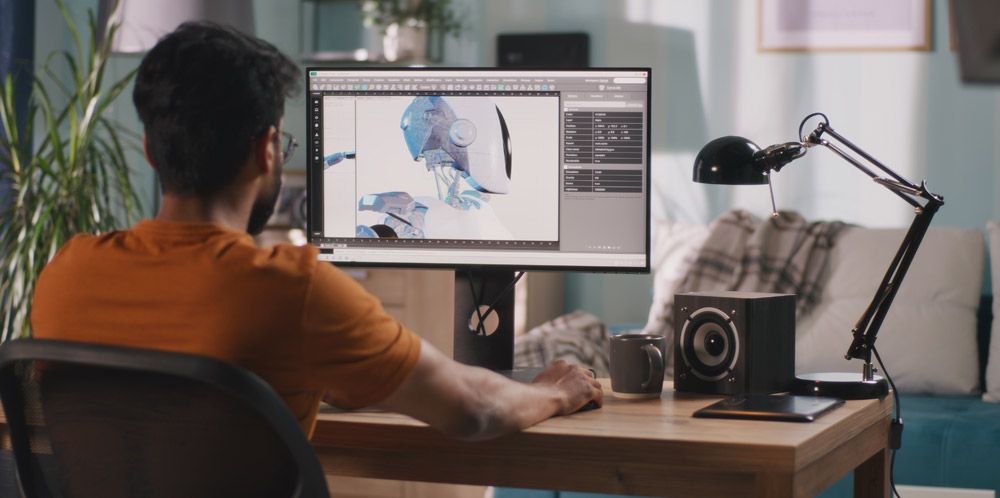
Game animation involves different artistic and technical disciplines, including 2D animation, 3D character animation, facial expressions, combat movements, and environmental interactions. Finding professionals who can handle all these requirements internally is not always practical.
Working with an external animation team gives studios access to artists with experience across different animation styles and production techniques. Whether a project requires stylized character movements, realistic 3D animations, or detailed action sequences, studios can find the expertise needed to bring their creative direction to life.
Flexible Production and Cost Management
Animation requirements can vary significantly depending on the project's development stage. Some phases may involve extensive character animation, while others focus on environmental details, additional gameplay movements, or content updates.
Outsourcing allows studios to adjust production resources based on these changing requirements. Instead of maintaining a large permanent team, they can engage external specialists for specific tasks or ongoing production support. This approach helps control recruitment and operational expenses while giving businesses greater flexibility in allocating their development budgets.
Faster Production and Development Cycles
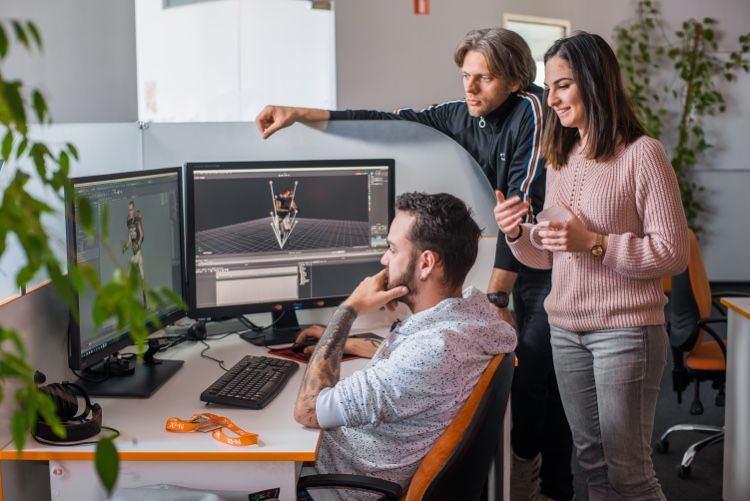
Animation production often involves multiple tasks that can be handled simultaneously. By collaborating with an external team, studios can distribute animation workloads and keep different development activities moving forward in parallel.
For example, while internal developers focus on gameplay mechanics and engine integration, external animators can work on character movements, combat sequences, or environmental animations. With clear requirements, organized milestones, and regular feedback, this collaboration can help reduce production bottlenecks and keep projects on schedule.
Consistent Animation Quality
Maintaining a consistent visual style is essential when multiple artists contribute to the same game. Differences in movement timing, character proportions, animation techniques, or artistic direction can affect the overall player experience.
A professional outsourcing partner can follow established animation guidelines, reference materials, and production standards to ensure that new assets align with the existing game. Consistent review processes and quality checks also help identify issues before final delivery, making it easier to maintain animation quality across characters, environments, and gameplay sequences.
The Game Animation Outsourcing Process
A structured production workflow helps minimize misunderstandings and ensures that outsourced animations meet both creative and technical expectations.
1. Project Discovery and Requirement Alignment
The process begins with understanding the game's concept, art direction, animation requirements, target platforms, and production schedule. The outsourcing team reviews available references, character models, style guides, and technical specifications to define the scope of work. This stage establishes clear deliverables and expectations before production begins.
2. Style Validation and Sample Production
Before moving into full production, the animation team creates sample assets or animation sequences to validate the visual direction and technical approach. This allows the client to review movement quality, animation style, and workflow compatibility. Early feedback also helps reduce costly revisions during later production stages.
3. Animation Production
Once the initial samples are approved, the team begins producing the required animation assets. Depending on the project, this may involve character rigging, keyframe animation, movement sequences, facial expressions, or environmental animations. Production is organized around agreed milestones, allowing the client to monitor progress and provide feedback throughout the process.
4. Review and Iteration
Animation assets are reviewed regularly to ensure they match the project's creative vision and gameplay requirements. The client can provide feedback on movement timing, transitions, character expressions, and other details. Short review cycles help identify issues early and keep production aligned with the overall development schedule.
5. Quality Assurance and Technical Validation
Before delivery, animation assets undergo quality checks to verify their consistency, technical specifications, and compatibility with the target game engine.
The team checks asset organization, naming conventions, animation structure, and optimization requirements to minimize integration problems.
6. Final Delivery and Ongoing Support
Approved animation assets are delivered in the formats and pipeline structure agreed upon with the client. For long-term projects, the outsourcing partner may continue supporting additional animation requirements, content updates, and LiveOps production as the game evolves.
Why Choose Infantex for Game Animation Outsourcing?
Infantex provides Game art outsourcing services to help studios expand their creative capabilities without the overhead of building larger internal teams.
- 7+ Years of Game Development Experience: Infantex understands the artistic and technical requirements involved in creating game-ready assets. Our team works across different production needs, supporting studios with animation and visual asset development.
- 2D & 3D Game Animation: From character movements and idle loops to combat sequences and environmental animations, our team supports different animation requirements to bring game worlds and characters to life.
- Complete Game Art Production: Beyond animation, Infantex offers a broader range of game art services, including 3D Character Art, 3D Environment Art, Concept Art, Splash Art & Key Visuals, and LiveOps Content. This allows studios to work with a single partner for multiple visual production requirements while maintaining consistency across their projects.
- Structured Production Workflow: Our process covers project discovery and scope alignment, style validation, production, regular reviews, and technical quality checks. This structured approach helps ensure that delivered assets match the client's artistic direction and technical specifications.
- Flexible Outsourcing Models: Studios with clearly defined requirements can choose project-based outsourcing, while businesses with ongoing production needs can work with a dedicated team that integrates into their existing workflow.
Explore our portfolio to see our previous work and discover how Infantex can bring your game vision to life.
Conclusion
Game animation outsourcing offers studios a practical way to access specialized talent, manage production resources, and maintain animation quality throughout game development. However, successful outsourcing depends on finding a partner who understands your artistic vision, technical requirements, and production goals. With the right collaboration, an external animation team can become a valuable extension of your in-house development team.
Looking to scale your animation production? Contact Infantex today and let our game art team help bring your creative vision to life.
Frequently Asked Questions (FAQs)
1. What is game animation outsourcing?
Game animation outsourcing is the process of hiring an external team or studio to produce animation assets for a video game. Services may include 2D animation, 3D character animation, combat sequences, facial animation, and environmental movements.
2. What types of animation can be outsourced for games?
Common services include 2D sprite animation, 3D character animation, idle and movement cycles, combat animations, facial expressions, cinematic sequences, and environmental animations.
3. How much does 3D animation outsourcing cost?
The cost of 3D animation outsourcing depends on project complexity, animation style, character requirements, the number of animation sequences, and production timelines. Detailed requirements and references help outsourcing studios provide more accurate estimates.
4. How do I choose a reliable game animation studio?
Evaluate the studio's portfolio, experience with your game genre, technical knowledge, engine compatibility, communication process, and pricing structure. It is also useful to request sample production before committing to a larger project.
5. Can an outsourcing studio match my game's existing animation style?
Yes. Experienced animation studios can follow established art directions and animation references to maintain consistency. Style validation and sample production are useful ways to confirm alignment before full-scale production.
6. Can I outsource only character animation instead of the entire game art pipeline?
Yes. Most game art outsourcing providers offer flexible services, allowing studios to outsource individual tasks such as character animation, 3D modeling, or environmental animation without delegating the entire art production process.