Aviation Games: Why Airlines Are Investing in Gamification
The airline industry has traditionally relied on loyalty programs, promotional campaigns, and destination advertisements to attract and retain customers. However, as digital competition grows and passenger expectations evolve, airlines are looking for more interactive ways to connect with travelers.
Gamification is emerging as an effective approach, turning everyday digital interactions into engaging experiences through games, challenges, and rewards. But how can aviation games support airline marketing and customer loyalty? This article explores the growing role of gamification in the aviation industry, its practical applications and how Infantex helps airlines develop custom game and gamification solutions to achieve their business goals.
What Is Gamification in the Aviation Industry?
Gamification in aviation refers to the use of game mechanics in non-gaming experiences, such as airline mobile applications, loyalty programs, websites, and marketing campaigns. Instead of simply presenting passengers with information or promotional offers, airlines encourage participation through interactive activities and rewards. Common mechanics include points, badges, leaderboards, challenges, and progression systems. For example, passengers might complete a destination quiz, collect virtual travel stamps, or participate in a flight-themed mini-game to earn loyalty points.
Why Are Airlines Investing in Gamification?
Gamification offers airlines new ways to maintain customer engagement beyond flight bookings. Rather than relying entirely on traditional advertising and transactional loyalty programs, airlines can use interactive experiences to build stronger relationships with passengers.
1. Increasing Customer Engagement
Most passengers use airline applications to book flights, check in, or manage reservations. However, these interactions are often occasional and primarily functional.
Gamification introduces activities that encourage users to return even when they are not planning a trip. Daily challenges, travel quizzes, and destination discovery games can give passengers additional reasons to interact with airline platforms.
For example, an airline could create a virtual travel passport where users collect digital stamps by exploring destinations or completing specific missions. This transforms a standard mobile application into a more engaging digital experience while keeping the brand visible between trips.
2. Strengthening Customer Loyalty
Traditional frequent flyer programs mainly reward customers for purchasing flights, which may limit engagement among occasional travelers. Airline loyalty gamification introduces additional opportunities to earn rewards through interactive activities. Airlines can develop personalized missions, achievement badges, milestone challenges, and membership progression systems to encourage participation.
For instance, passengers could earn bonus points by exploring new destinations, completing travel-related quizzes, or participating in seasonal campaigns. These mechanics make loyalty programs more interactive and give members additional reasons to stay connected with the airline.
3. Building Stronger Brand Awareness
In a competitive aviation market, airlines need memorable experiences to differentiate themselves. Branded games provide an opportunity to communicate brand identity through direct customer interaction. Instead of simply watching an advertisement about a destination, users can explore a virtual environment, complete challenges, or compete with other participants through a branded mini-game. These experiences can also encourage social sharing, allowing players to share their achievements and introduce the airline to new audiences. As a result, gamification can support both customer engagement and brand awareness.
4. Supporting Personalized Marketing
Gamification can also help airlines better understand customer interests and preferences. For example, a destination quiz can identify whether users prefer beach holidays, cultural experiences, or adventure travel. Based on these interactions, airlines can develop more relevant promotional campaigns and personalized recommendations. When combined with appropriate data practices and user consent, these insights can help airlines move beyond generic advertising and create more meaningful customer experiences.
Popular Types of Aviation Games and Gamification Experiences
Depending on their objectives, airlines can develop experiences that focus on entertainment, destination marketing, mobile engagement, or customer loyalty.
1. Flight Simulator Games for Marketing Campaigns
Flight simulators are naturally associated with aviation, making them an interesting foundation for branded gaming experiences. While professional flight simulators are primarily designed for pilot training and technical practice, simplified versions can be adapted for entertainment and marketing purposes. Through flight simulator marketing, airlines can create interactive experiences that allow users to control virtual aircraft, navigate through different environments, and complete flying challenges. These games can feature branded aircraft, recognizable destinations, and visual elements that reflect the airline's identity.
For example, an airline promoting a new route could develop a virtual flying challenge where players navigate an aircraft through a destination-inspired environment. Completing each level could unlock information about the destination, promotional content, or exclusive campaign rewards.
2. Mobile Mini-Games and In-App Challenges
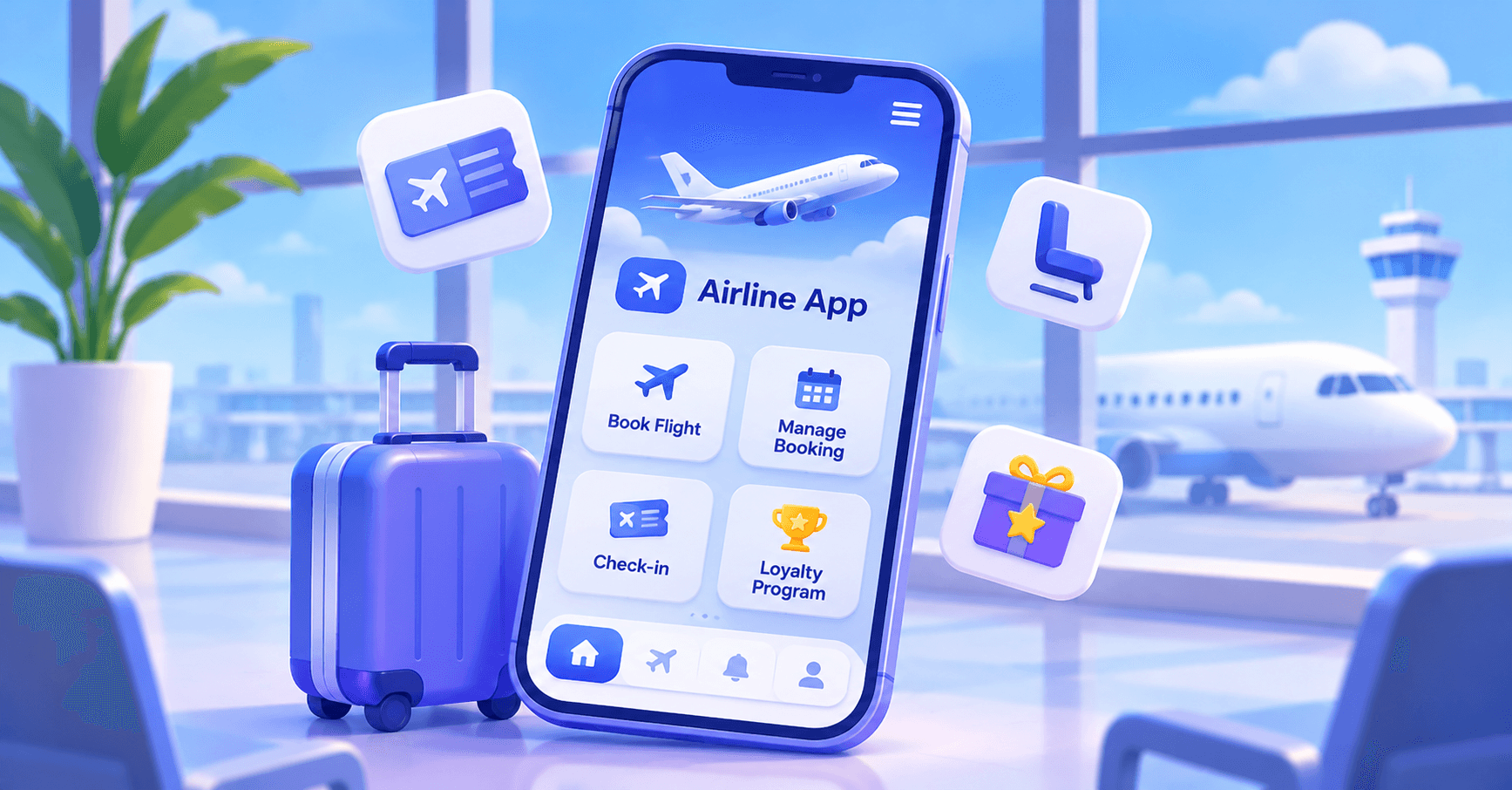
Airline mobile applications offer another practical environment for gamification because passengers already use them throughout different stages of their travel journey. Aviation app gamification introduces interactive features that encourage users to engage with airline applications more frequently. Instead of limiting the experience to flight management and booking functions, airlines can incorporate casual games, daily missions, travel quizzes, and reward-based challenges.
One potential example is a virtual travel collection system in which users collect digital stamps by exploring destinations, completing activities, or participating in promotional campaigns. As they collect more stamps, they can unlock achievements or receive rewards connected to the airline's loyalty program. The advantage of this approach is that airlines can integrate games into existing digital platforms rather than creating entirely separate customer experiences.
3. Gamified Loyalty Programs and Reward Systems
Loyalty programs are particularly suitable for gamification because they already rely on points, membership levels, and customer rewards. For example, a loyalty application could introduce monthly travel missions, destination-based achievements, or limited-time challenges that reward users for completing specific activities.
Members might unlock new badges after visiting several destinations or receive bonus points for reaching engagement milestones. Progression systems can also make membership tiers more engaging by showing customers how close they are to unlocking additional benefits. Rather than focusing exclusively on accumulated miles, airlines can create a broader experience that recognizes different forms of participation.
4. Interactive Destination Discovery Games
Destination marketing is another area where aviation games can create value. Airlines constantly promote new routes and travel destinations, but traditional promotional materials may not always capture the attention of potential travelers. Interactive destination games offer a more participatory approach. Airlines can develop virtual maps, landmark quizzes, cultural puzzles, or exploration challenges that introduce users to different destinations through gameplay.
How Airlines Can Build an Effective Gamification Strategy
Developing an aviation game requires more than adding basic game mechanics to an existing application. Airlines need to ensure that each experience supports their marketing objectives and provides genuine value to passengers.
1. Define Clear Business Objectives
Before developing a game, airlines should identify the results they want to achieve. A flight simulator campaign designed to promote new routes requires a different approach from a loyalty game focused on customer retention. Clear objectives help determine the appropriate game format, mechanics, rewards, and performance indicators.
2. Design Around Passenger Preferences
Different passenger segments respond to different gaming experiences. Frequent flyers may prefer personalized missions and loyalty rewards, while younger travelers might be more interested in casual mini-games and social competitions. Understanding the target audience helps airlines create experiences that feel relevant rather than relying on generic gameplay.
3. Integrate Games With Existing Platforms
Gamification works best when it becomes part of the broader customer journey. For example, a mobile game could connect with an airline's loyalty account so users receive points directly after completing eligible challenges. Similarly, a destination game could link to flight booking pages, allowing interested participants to explore available routes. This requires careful planning around account management, reward distribution, data security, and platform compatibility.
4. Measure Performance and Optimize
Airlines should evaluate gamification through both engagement metrics and business outcomes. Important indicators include active users, gameplay frequency, session duration, challenge completion rates, reward redemptions, and repeat application visits. Connecting these metrics with broader objectives, such as loyalty participation and promotional conversions, helps airlines understand whether their gaming experiences deliver meaningful results.
How Infantex Helps Airlines Develop Custom Games and Gamification Solutions
As airlines explore new ways to improve digital engagement, custom games and gamification systems can help turn marketing ideas into interactive customer experiences. Infantex provides Custom Game and Gamification services, helping businesses develop branded games, interactive campaigns, and tailored gamification systems based on their target audiences and business objectives.
For airlines and aviation businesses, potential solutions include:
Custom Aviation Games: Develop branded mini-games and flight-themed experiences to promote airline services, destinations, and marketing campaigns.
Flight Simulator Games: Create interactive flying experiences where users explore virtual environments, complete challenges, and engage with airline brands.
Gamified Loyalty Systems: Build reward-based experiences featuring points, badges, missions, leaderboards, and progression mechanics to encourage customer participation.
Mobile Gamification: Integrate interactive features into existing mobile applications to create more engaging digital experiences and encourage repeat visits.
Infantex supports projects throughout the development process, from concept and game design to development, quality assurance, and deployment. With experience in technologies such as Unity, Cocos Creator and Phaser, our team can develop interactive solutions for web and mobile platforms. Whether you are planning a branded aviation game, a flight simulator marketing campaign, or an aviation app gamification system, Infantex can help transform your concept into a custom digital experience.
Conclusion
Gamification is creating new opportunities for airlines to connect with passengers beyond traditional booking and loyalty experiences. With the right development strategy and technology partner, aviation games can become valuable additions to airline marketing initiatives, helping businesses create more memorable digital experiences and stronger customer relationships.
Frequently Asked Questions (FAQs)
1. What Is Airline Gamification?
Airline gamification is the use of game mechanics such as points, challenges, badges, and rewards in airline websites, mobile applications, loyalty programs, and marketing campaigns. It helps airlines encourage customer participation, improve digital engagement, and strengthen brand loyalty.
2. How Can Gamification Benefit Airlines?
Gamification helps airlines increase customer engagement, encourage repeat interactions, and make loyalty programs more appealing. It can also support brand awareness, destination promotion, and personalized marketing through interactive experiences.
3. What Is Flight Simulator Marketing?
Flight simulator marketing uses interactive flying games to promote airline brands, services, and travel destinations. Users can control virtual aircraft, complete flying challenges, and explore destinations while interacting with branded content.
4. How Does Aviation App Gamification Work?
Aviation app gamification integrates game elements into airline mobile applications. Common features include daily challenges, travel quizzes, virtual collections, achievement badges, and reward systems that encourage users to return and interact with the platform.
5. How Does Airline Loyalty Gamification Improve Customer Retention?
Airline loyalty gamification makes traditional reward programs more interactive by introducing missions, milestones, achievements, and personalized challenges. These features give passengers additional opportunities to earn rewards and encourage them to remain active members of an airline's loyalty ecosystem.
6. Can Airlines Develop Custom Games for Marketing Campaigns?
Yes. Airlines can develop custom mini-games, flight simulators, destination discovery games, and interactive promotional experiences based on their brand identity and marketing objectives. Working with a game development partner like Infantex allows airlines to create tailored solutions for web and mobile platforms.