
POST
May 3, 2026
NFT Game Development Cost: Complete Breakdown 2026
The Web3 gaming industry has moved beyond the early hype cycle and is now entering a phase defined by product quality, sustainable economies, and long-term player retention. In this environment, building a successful NFT game is no longer just about integrating blockchain, it’s about delivering a complete gaming experience that can compete with traditional titles. But before you greenlight your NFT game, the most pressing question is almost always the same: How much does it actually cost?
This guide breaks down the NFT Game Development Cost in 2026 with a practical, real-world perspective. You’ll understand not just the numbers, but what actually drives those costs and how to approach them strategically.
What Makes NFT Game Development Different
Before diving into numbers, it helps to understand why web3 game development cost differs so substantially from traditional game development.
Building a conventional mobile or PC game involves art, code, design, and server infrastructure. Building an NFT or play-to-earn game adds an entirely new technical and strategic layer on top:
-
Smart contract development and auditing — every in-game economy mechanic that touches assets or tokens needs to be encoded on-chain and rigorously tested
-
Tokenomics design — a broken in-game economy can collapse your entire game in days; designing sustainable earn mechanics requires economic modeling expertise Wallet integration and UX abstraction — lowering the friction of onboarding non-crypto-native players is one of the hardest UX challenges in the space
-
Multichain compatibility — modern multichain Web3 games must operate across Ethereum, Polygon, BNB Chain, Arbitrum, and others, which multiplies infrastructure complexity
-
NFT minting infrastructure — managing minting pipelines, metadata storage, and marketplace integrations at scale requires dedicated engineering
-
Regulatory and compliance considerations — token structures, P2E mechanics, and secondary royalties each carry jurisdiction-specific implications
All of these factors compound. That's why accurately scoping a p2e game budget requires expertise that spans game design, blockchain engineering, tokenomics, and DevOps simultaneously.
NFT Game Development Cost Breakdown
The NFT game development cost depends on complexity, features, and platform. Below is a general overview of the typical development costs across different types of NFT games.
- Basic NFT Game: $50,000 – $100,000+
- Mid-Level Blockchain Game: $100,000 – $300,000+
- Large AAA: $500,000 – $1M+
1. Game Design and Concept Development
Every project starts here. This phase includes game design documentation, narrative and world-building, economy design, and initial art direction.
Estimated cost range: $15,000 – $80,000 For a play-to-earn game, this phase is heavier than in traditional game development because tokenomics modeling sits inside it. You need economic simulations, player behavior projections, and token sink-and-faucet analysis — not just a fun gameplay loop.
Cutting corners on this phase is one of the most common (and costly) mistakes in web3 game development. Poorly designed economies require expensive reworks post-launch and can trigger community backlash.
2. Smart Contract Development and Auditing
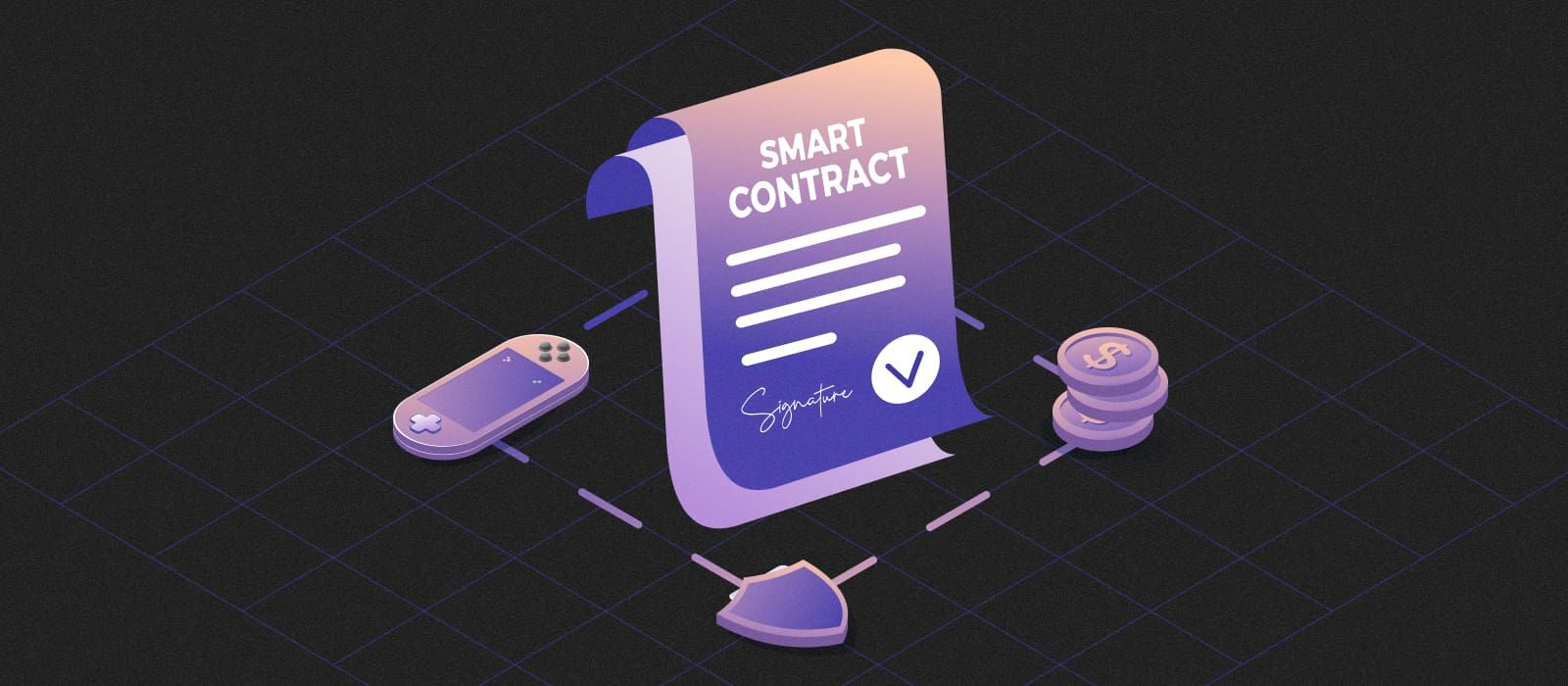
This is the backbone of any NFT or p2e game. Smart contracts govern asset ownership, token rewards, staking mechanics, NFT minting, and marketplace royalties.
Development cost: $25,000 – $120,000 Security audit cost: $15,000 – $60,000
3. Frontend and Game Client Development
This is the player-facing layer — the game client itself, whether it's a browser-based experience, a mobile app, or a downloadable PC/console title.
Estimated cost range: $40,000 – $300,000+
The range here is vast because scope varies wildly. A browser-based strategy game with 2D assets is a fundamentally different engineering project than a 3D action-RPG with Unreal Engine visuals and real-time multiplayer.
Full stack game developers working in Unity, Unreal, Phaser, or custom web stacks are the core resource here. Their hourly rates vary significantly depending on whether you're hiring locally or choosing game development outsourcing with an experienced offshore partner.
4. Backend Infrastructure and Server Architecture
Even decentralized games need centralized infrastructure for gameplay logic, matchmaking, leaderboards, analytics, and real-time communication.
Estimated cost range: $30,000 – $150,000
This covers API development, database architecture, cloud infrastructure setup (AWS, GCP, Azure), WebSocket servers for real-time gameplay, and CDN configuration for asset delivery.
5. Art and Animation Production
Art is often one of the largest budget line items, particularly for NFT games where visual asset uniqueness and quality directly drive collection value.
2D art and animation: $20,000 – $150,000 3D art, modeling, and animation: $50,000 – $400,000+ Generative NFT collection art (1,000–10,000 assets): $15,000 – $80,000
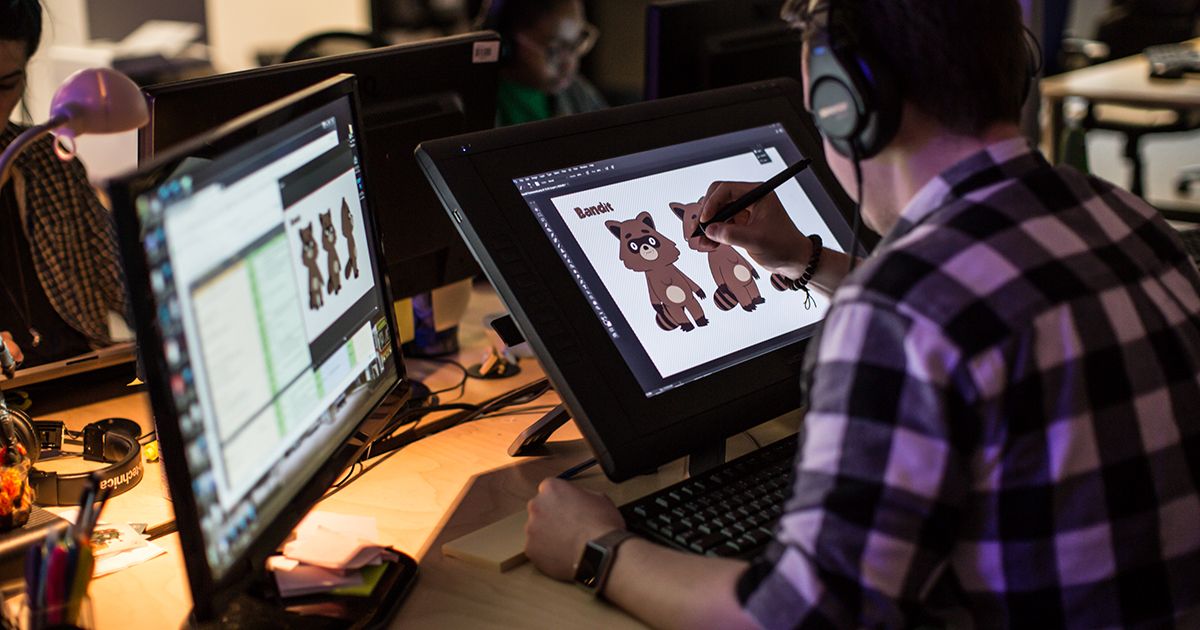
The generative NFT art pipeline — creating layered trait systems, rarity weighting, and metadata generation — is a specialized workflow distinct from traditional game art production. Studios experienced in this area can execute efficiently; those new to it often underestimate the complexity.
6. QA Testing and Smart Contract Testing
Quality assurance in web3 games spans two parallel tracks: traditional game QA (gameplay bugs, UI issues, performance) and blockchain QA (contract behavior under edge cases, gas optimization, exploit simulation).
Estimated cost range: $15,000 – $60,000
In-House vs. Outsource: What's the Right Team Structure?
One of the most important decisions you’ll face is whether to build an in-house team or outsource game development.
Hiring In-House
Building an in-house team gives you maximum control and institutional knowledge, but it's slow and expensive. Senior blockchain engineers, Unity developers, and tokenomics experts command premium salaries in every market. You're also taking on HR, benefits, and management overhead.
Best for: Large studios with long multi-year development roadmaps and existing operational infrastructure.
Game Development Outsourcing
Game development outsourcing to a specialized web3 studio gives you immediate access to a battle-tested team that has shipped NFT games before. You skip the ramp-up time, the hiring process, and the painful early mistakes that come with assembling a new blockchain development team from scratch.
Best for: Startups, mid-size studios entering web3 for the first time, and projects with defined scopes and timelines.
Dedicated Game Development Team Model
The dedicated game development team model sits in the middle — you hire a team through an outsourcing partner, but that team is exclusively allocated to your project and integrated into your processes. You get the expertise and speed of outsourcing with the continuity and cohesion of in-house.
This is the model most commonly recommended for play-to-earn game development at scale, because it allows you to maintain consistent technical vision across a multi-year roadmap without the overhead of full employment.
Also read: In-House vs Outsourcing Web3 Game Development: Full Cost & Timeline Comparison
Hidden Costs Every NFT Game Founder Should Know
Building an NFT game is exciting, but development is only part of the cost. There are several hidden expenses that every founder should plan for from the beginning.
Legal & Compliance ($5,000–$50,000)
NFT games involve real money and digital assets, so legal protection is necessary. This includes terms of service, privacy policies, intellectual property protection, and compliance with KYC/AML regulations. Without proper setup, you may face fines or bigger issues later.
Marketing & Community ($10,000–$100,000+)
A strong community can make or break your game. You’ll need to invest in social media, Discord and Telegram management, influencer partnerships, and events. Launch campaigns are especially important to build early traction.
Gas Fees & Blockchain Costs (Variable)
Blockchain costs are often overlooked. These include smart contract deployment, NFT minting, testing, and transaction fees. The total cost depends on the blockchain you use and the number of NFTs.
Third-Party Services ($200–$5,000/month)
Most NFT games rely on external tools like analytics, cloud services, notifications, and customer support. These are ongoing monthly costs that are small individually but important overall.
App Store Fees (Up to 30% of Revenue)
If your game is on mobile, app stores like Apple and Google may take up to 30% of in-app purchases. This doesn’t always apply to NFT sales outside the app, but it still affects your revenue strategy.
Also read: NFT Game Development: How to Build an NFT Game from Scratch
Partner With Infantex to Build Your NFT Game
Building a successful NFT game takes more than a strong idea, it requires a partner who understands both the technical and strategic challenges of Web3 game development.
Infantex is a Web3 game development company specializing in everything from smart contract architecture and tokenomics to multichain deployment and long-term live operations. With over 7 years of experience, Infantex combines gameplay expertise with advanced blockchain capabilities to deliver scalable, secure, and market-ready games. Based in Vietnam, Infantex offers competitive pricing while maintaining high development standards, helping you scale efficiently without unnecessary overhead.
Explore our Web3 Game Development services or check out our full portfolio to see how we bring Web3 games to life.
Conclusion
By now, you should have a clear understanding of NFT game development costs and what it takes to launch successfully. The opportunity is here, but execution is what sets winning projects apart.
If you are looking to build an NFT game, now is the time to act. Partner with Infantex and get expert support across every stage, from concept to launch and beyond. Please feel free to contact our NFT game developers today!

MOST POPULAR


01/10
Leave a request
Send us a request today!
Share your project brief, scope and timeline. Our team will reply within 24 hours.

Services
Game DevelopmentWeb3 Game DevelopmentCustom Game and GamificationGame Art Outsourcing & UI/UX Design ServicesDedicated Game Development TeamBlockchain Development and Whitelabel ServicesContact us
- Address
- 16F, MD Complex Tower, 68 Nguyen Co Thach Street, Tu Liem District, Ha Noi Capital, Vietnam
- sale@infantex.io
© Copyright 2026 Infantex . All rights reserved.