
POST
Apr 28, 2026
NFT Game Development: How to Build an NFT Game from Scratch
With the rise of blockchain technology, the NFT Game model is transforming how players interact with in-game assets. Instead of being limited to closed ecosystems, players can now truly own, trade, and monetize their digital items in ways that were not possible before. This shift is fueling a new wave of innovation, positioning NFT Game Development as a strategic priority for studios aiming to build next-generation gaming experiences.
In this guide, we break down how to approach NFT Game Development from the ground up, helping you make informed decisions and accelerate your path to market.
What Is an NFT Game?
An NFT Game is a type of game that uses NFTs (Non-Fungible Tokens) to represent in-game assets. NFTs are unique digital items stored on the blockchain, which means each asset has clear ownership and cannot be copied or replaced.
In an NFT game, items like characters, skins, weapons, or virtual land belong directly to the player instead of the game publisher. Players can buy, sell, or trade these assets, giving them real value beyond the game itself.
Many NFT games also follow a Play-to-Earn Game (P2E Game) model, where players can earn rewards through gameplay. These rewards can be tokens or NFTs that can be exchanged, making the gaming experience not only entertaining but also economically meaningful.
Why NFT Game Development Is Growing
The growth of NFT Game Development is driven not only by changing player behavior but also by clear market momentum. As blockchain adoption continues to expand, gaming is becoming one of its most commercially viable applications. The global NFT gaming market is projected to reach around $7.6 billion in 2026, with strong long-term growth expected in the years ahead.
At the same time, user activity is steadily increasing, with millions of active wallets interacting with Web3 games daily. This signals that the market is moving beyond early hype toward more consistent and sustainable engagement.
More importantly, the way value is created is also evolving. Instead of relying heavily on speculative Play-to-Earn Game (P2E Game) models, studios are shifting toward gameplay-first experiences, where NFTs act as a supporting layer to improve retention and monetization rather than defining the entire product.
Step-by-Step Guide: How to Build an NFT Game
Below are the core steps in NFT Game Development to help you execute efficiently and scale your project over time.
Step 1: Define the Game Concept
The journey of building a successful NFT Game begins with strong ideation and concept development. At this stage, you need to clearly define the game genre, core gameplay loop, storyline, target audience, and decide which in-game assets will be turned into NFTs. It is crucial to create a detailed Game Design Document (GDD) that covers player progression, monetization strategy, and how blockchain features will enhance the overall gaming experience without sacrificing fun.
Step 2: Choose The Right Tech Stack
Once the concept is finalized, the next step is selecting the appropriate tech stack. Most developers choose Unity or Unreal Engine as the primary game engine due to their powerful graphics capabilities and strong support for blockchain integration. For the blockchain platform, you can opt for Ethereum for its security and ecosystem, or choose more scalable and cost-effective networks such as Polygon, Solana, or BNB Chain. Additionally, integrating helpful tools and SDKs like Thirdweb, Moralis, or Chainlink will make wallet connection and smart contract interaction much smoother.
Step 3: Design Game Assets and Economy
With the technical foundation ready, focus on designing high-quality game assets and building a sustainable in-game economy. This includes creating 2D or 3D models, animations, user interfaces, and detailed NFT metadata with unique attributes and rarity levels. At the same time, you must carefully design the tokenomics of your Play-to-Earn Game, including utility tokens, reward systems, staking mechanisms, and economic sinks to control inflation and ensure the long-term health of the game’s economy.
Step 4: Develop Smart Contracts
Smart contracts form the backbone of any NFT game, handling everything from asset minting to marketplace transactions and reward distribution. Because these contracts directly manage user assets, security is non-negotiable.
Even a minor vulnerability can lead to significant losses and undermine trust in the project. That’s why many studios choose to hire game developers or work with Web3 game development services to ensure secure architecture and proper auditing from the start.
Step 5: Integrate Blockchain into the Game
After the smart contracts are ready, you need to seamlessly integrate blockchain technology into the game. This involves implementing wallet connection (MetaMask, WalletConnect, etc.), enabling players to mint, trade, and utilize their NFTs directly in gameplay. Many successful NFT Games today adopt a hybrid model, allowing both traditional players and blockchain users to enjoy the game while providing true ownership and earning opportunities for Web3 users.
Step 6: Build Backend, Frontend, and Multiplayer Features
While blockchain handles ownership and economy, most gameplay logic should run on a secure backend for better performance and lower costs. At this stage, you should develop the frontend interface, backend systems, leaderboards, matchmaking, and multiplayer functionalities to ensure a smooth and engaging player experience across different platforms.
Step 7: Testing and Security
Before launching, thorough testing is essential. This includes gameplay testing for fun and balance, economic simulation under different player scenarios, smart contract security audits, and closed beta testing with real users. Collecting feedback at this stage helps identify issues early and refine both the game mechanics and Play-to-Earn systems.
Step 8: Launch and Community Building
The final step is launching the game on the mainnet, listing NFTs on marketplaces, and executing a strong marketing and community-building strategy. Continuous updates, events, airdrops, and active engagement with players are key to maintaining long-term interest and building a loyal community around your NFT Game.
Common Challenges in NFT Game Development
Despite its potential, NFT Game Development comes with a unique set of challenges.
- Tokenomics balance: Most P2E games collapse because token rewards exceed player spending. Sustainable tokenomics requires ongoing monitoring and governance.
- Scalability and fees: High transaction costs or slow processing can quickly hurt the player experience.
- Security risks: Smart contract vulnerabilities can lead to asset loss and damage user trust.
- Player retention: Relying only on Play-to-Earn Game (P2E Game) mechanics often isn’t enough—gameplay still needs to be engaging.
- User onboarding: Complex wallet setup and blockchain steps can create friction for new players.
Build Your NFT Game with Infantex
If you are looking to launch a high-quality NFT Game, Infantex is a trusted partner to help you execute and scale efficiently. As a leading Web3 game development company based in Vietnam, Infantex supports your project from smart contract development and auditing to game integration, tokenomics, NFT infrastructure, and post-launch operations.
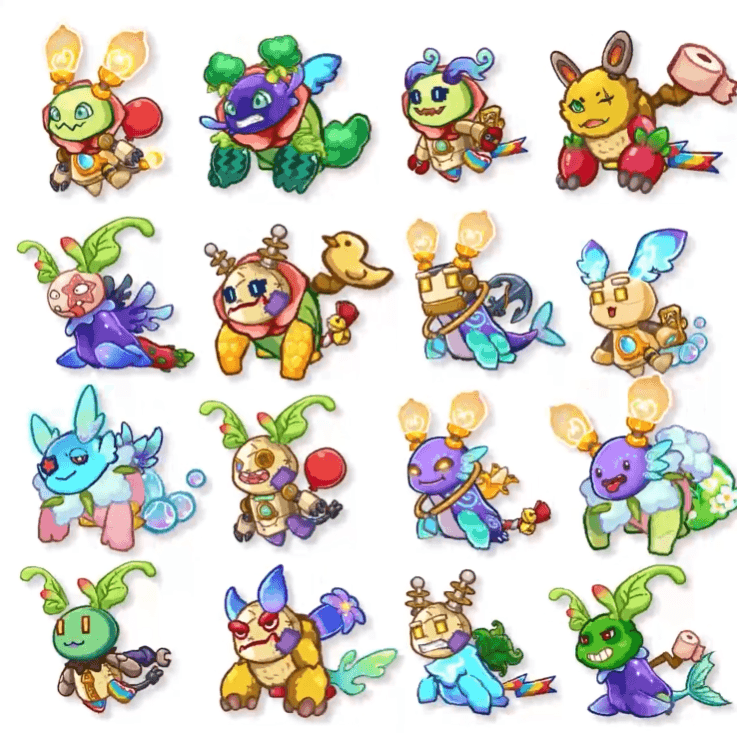
One of our standout projects Monsterra, is a multi-chain NFT game built on BNB Chain, Avalanche and OKX. The game combines Free-to-Play and Free-to-Earn models, creating a balanced and accessible experience for players. With strong community traction, Monsterra has attracted over 500,000 players, reached 45,000 monthly active users, and recorded more than 100 million matches played.
Conclusion
NFT game development is rapidly becoming a key trend in the gaming industry, reshaping how virtual assets are owned and traded. It enables player-driven economies, gives in-game items real value, and creates more transparent and engaging experiences.
As the space continues to evolve, developers have greater opportunities to unlock the full potential of NFT games and build sustainable ecosystems for players. If you’re planning to get started, this guide will walk you through the essential steps. For further support or consultation, feel free to contact Infantex.

MOST POPULAR

01/10
Leave a request
Send us a request today!
Share your project brief, scope and timeline. Our team will reply within 24 hours.
Services
Game DevelopmentWeb3 Game DevelopmentCustom Game and GamificationGame Art Outsourcing & UI/UX Design ServicesDedicated Game Development TeamBlockchain Development and Whitelabel ServicesContact us
- Address
- 16F, MD Complex Tower, 68 Nguyen Co Thach Street, Tu Liem District, Ha Noi Capital, Vietnam
- sale@infantex.io
© Copyright 2026 Infantex . All rights reserved.