

POST
Nov 27, 2025
Blockchain Development Cost: How Businesses Can Outsource Effectively
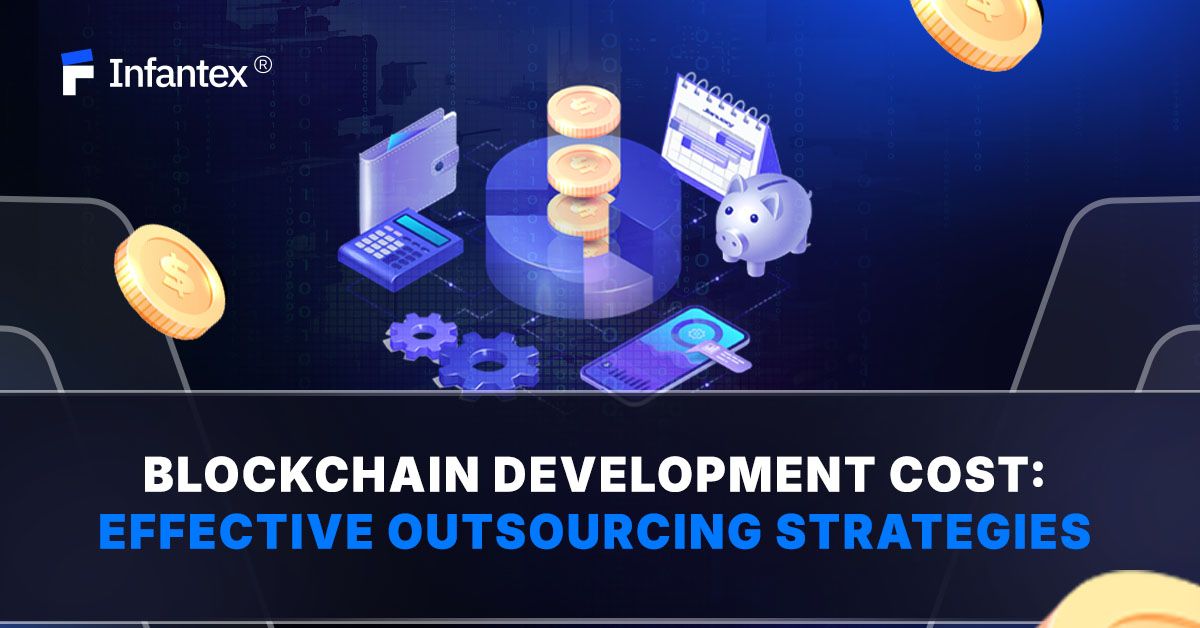
Blockchain technology is transforming industries worldwide from finance and healthcare to gaming and supply chain. But for many businesses, understanding blockchain development cost and managing it efficiently can be a challenge.
Outsourcing blockchain development has become a smart solution, allowing businesses to reduce costs, access global expertise, and focus on growth. In this guide, we’ll break down the factors affecting cost and show how businesses can outsource effectively while saving money.
Why Outsource Blockchain Development?
Outsourcing blockchain development is becoming a standard strategy for businesses looking to reduce cost without compromising quality. Here’s why it works: Cost Efficiency Hiring a full in-house blockchain team can be expensive. Outsourcing allows businesses to tap into global talent pools at competitive rates. You pay only for the resources you need, avoiding long-term overhead costs.
Access to Global Expertise Outsourcing gives you access to experienced developers who have worked on multiple blockchain projects. These teams bring best practices, industry insights, and problem-solving skills that may not be available internally.
Faster Delivery External teams often have the necessary infrastructure and experience to start immediately. They can accelerate project timelines, helping businesses launch their blockchain solutions faster.
Focus on Core Business Outsourcing technical work lets your internal team focus on strategy, marketing, and growth. You can scale your blockchain initiatives without spreading your resources too thin.
What Affects Blockchain Development Cost?
The cost of blockchain development can vary widely depending on several critical factors. Understanding these factors will help businesses budget more accurately and make smarter decisions when outsourcing.
Type of Blockchain The type of blockchain network you choose has a major impact on development cost:
-
Public Blockchains like Ethereum or Solana are decentralized and accessible to everyone. They require handling gas fees, network scalability, and security measures, which can increase cost.
-
Private Blockchains are restricted to specific organizations. While they reduce some infrastructure needs, they require specialized setup and maintenance, which also adds to the cost.
-
Hybrid Blockchains combine public and private features. They are more complex to build and manage, making them the most expensive option for development.
Project Features and Functionality The more features you want, the higher the cost. Common blockchain features include:
-
Smart Contracts: Automate agreements and transactions, but require thorough testing and security audits.
-
Crypto Wallets: Secure storage and transaction capabilities for cryptocurrencies.
-
NFTs and Marketplaces: Minting, trading, and managing digital assets require advanced development.
-
DeFi Modules: Lending, staking, and trading platforms involve multiple smart contracts and complex integrations.
Technology Stack The programming languages, frameworks, and tools used in your project influence the cost.
- Developing on Ethereum requires Solidity and smart contract frameworks like Truffle or Hardhat.
- Solana development uses Rust, which is less common and may cost more to hire.
- Integrating APIs, cross-chain compatibility, or external services can also add complexity and cost.
Choosing the right technology stack balances development speed, scalability, and long-term maintenance.
Developer Expertise Blockchain is a specialized field, and experienced developers command higher rates. Hiring skilled professionals ensures:
- Secure and reliable smart contracts
- Optimized performance and scalability
- Compliance with industry standards and regulations
While less experienced developers may seem cheaper initially, the risk of bugs, security vulnerabilities, or delays can increase long-term costs significantly.
Project Timeline How fast you want your project delivered affects blockchain development cost:
-
Short deadlines often require larger teams or overtime work, which increases costs.
-
Longer timelines allow for smaller, cost-effective teams but may delay market entry.
Balancing your project timeline with your budget is key to achieving high-quality results without overspending.
Estimated Costs for Different Blockchain Projects
The blockchain development cost varies depending on project type, complexity, and features. Here’s a natural breakdown for businesses to understand: 1. Simple Blockchain Applications These projects can include things like company loyalty programs, systems for issuing digital certificates, or simple tools for tracking inventory. Estimated Cost: $10,000 – $30,000 Development Time: 1–3 months These applications are relatively straightforward, making them ideal for businesses exploring blockchain for internal processes or small-scale initiatives.
2. NFT Platforms NFT platforms might be designed for digital art marketplaces, music or video collectibles, or in-game items that players can buy, sell, and trade. Estimated Cost: $30,000 – $70,000 Development Time: 3–6 months These projects require smart contract development, wallet integration, and marketplace features. Adding auctions, royalties, or cross-chain support can increase costs slightly.
3. DeFi Platforms DeFi platforms often include crypto lending applications, staking platforms, or decentralized exchanges that allow users to trade assets without intermediaries. Estimated Cost: $50,000 – $150,000+ Development Time: 4–8 months These platforms are more complex, involving multiple smart contracts, wallet integrations, and strict security requirements, which increase blockchain development cost.
4. Enterprise Blockchain Solutions Enterprise blockchain solutions might include tools for supply chain transparency, healthcare data-sharing platforms, or trade finance networks that connect multiple organizations. Estimated Cost: $50,000 – $200,000+ Development Time: 6–12 months These solutions often use private or consortium blockchains and require strong security, compliance with regulations, and seamless integration with existing enterprise systems.
5. Custom Blockchain Networks (Layer 1 or Layer 2) Custom blockchain networks can include new blockchain protocols, scalable Layer 2 solutions, or decentralized networks tailored for specific industries. Estimated Cost: $100,000 – $500,000+ Development Time: 6–12+ months Building a full custom blockchain is highly complex, requiring expertise in cryptography, consensus algorithms, and network scalability. These projects are long-term investments.
Read more: Web3 Game Development: The Future of Gaming in the Blockchain Era
Conclusion
We hope you found this guide on blockchain development cost useful and informative. Understanding the factors that affect cost, the estimated budget for different blockchain projects, and the benefits of outsourcing can help your business plan and execute successful blockchain initiatives.
If you’re looking for affordable, high-quality blockchain development, Infantex is here to help. Our experienced team delivers custom blockchain solutions tailored to your needs—secure, scalable and on time.

MOST POPULAR








01/10
Leave a request
Send us a request today!
Share your project brief, scope and timeline. Our team will reply within 24 hours.

Services
Game DevelopmentWeb3 Game DevelopmentCustom Game and GamificationGame Art Outsourcing & UI/UX Design ServicesDedicated Game Development TeamBlockchain Development and Whitelabel ServicesContact us
- Address
- 16F, MD Complex Tower, 68 Nguyen Co Thach Street, Tu Liem District, Ha Noi Capital, Vietnam
- sale@infantex.io
© Copyright 2026 Infantex . All rights reserved.