

POST
Jan 7, 2026
Building Decentralized Applications: A Complete Guide for 2026
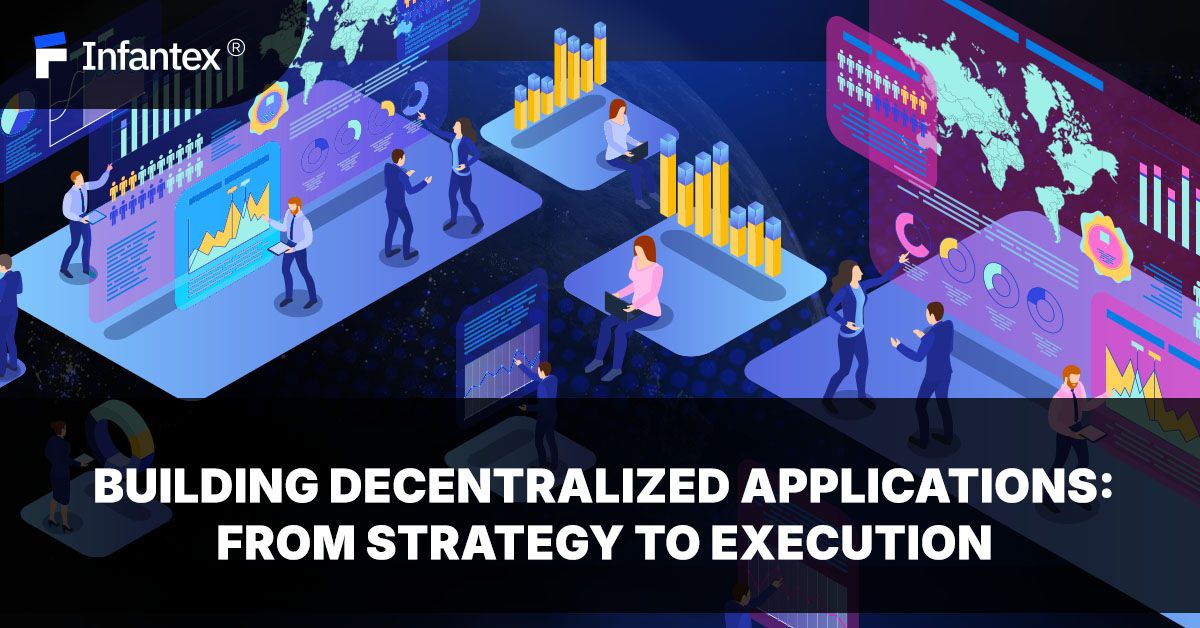
In the fast-evolving Web3 landscape, decentralized applications are becoming a fundamental part of how modern digital products are built. As blockchain adoption continues to grow, businesses are moving beyond experimentation and adopting DApps for real-world use. In 2026, decentralized applications are being used to power real products in finance, gaming, supply chains, digital identity, and many other industries.
This comprehensive guide offers a clear, step-by-step roadmap for building decentralized applications, helping developers and businesses leverage the full potential of decentralization to create meaningful and scalable market impact.
What Is a Decentralized Application?
A decentralized application is a software application that runs on a blockchain or decentralized network rather than on a centralized server. The core logic of a DApp is handled by smart contracts, which are self-executing programs deployed on the blockchain. These smart contracts automatically enforce rules and execute transactions once predefined conditions are met.
Most DApps today follow a hybrid structure. The blockchain handles critical logic and data that require trust and transparency, while the user interface looks and feels similar to a normal web or mobile application. Instead of logging in with a username and password, users interact with DApps through digital wallets, which manage identity and asset ownership.
Decentralized applications are widely used in decentralized finance platforms, NFT marketplaces, blockchain games, DAO governance systems, and enterprise solutions that require transparency and automated execution.
Centralized vs. Decentralized Apps: What’s the Difference?
To understand the value of decentralized applications, it is important to compare them with traditional centralized applications. Centralized applications rely on a single authority that controls the server, database, and application logic. All user data is stored in centralized databases, and users must trust the organization to manage that data responsibly. While centralized apps often provide fast performance and ease of development, they are vulnerable to data breaches, system outages, and misuse of user data.
On the other hand, decentralized applications distribute data and logic across a blockchain network. Smart contracts replace centralized backend logic, and users interact with the application through cryptographic wallets rather than usernames and passwords. This approach significantly reduces the risk of single points of failure and enhances transparency.
In 2026, many businesses are choosing decentralized or hybrid architectures because users increasingly demand privacy, ownership, and verifiable fairness. While DApps may introduce additional complexity, the long-term benefits in trust and resilience often outweigh the challenges.
Benefits of Decentralized Apps
Decentralized applications offer a wide range of advantages for both businesses and users. As Web3 adoption continues to grow in 2026, these benefits are becoming increasingly important for building scalable and trustworthy digital products.
Transparency and trust All transactions and smart contract logic are recorded on the blockchain and can be publicly verified. This transparency builds trust among users, partners, and stakeholders by ensuring that rules and outcomes are clear and tamper-resistant.
Enhanced security DApps operate on decentralized networks, reducing the risk of single points of failure. Smart contracts execute automatically based on predefined logic, minimizing human error and lowering the risk of fraud or unauthorized changes.
User ownership and control Users interact with DApps through blockchain wallets, allowing them to maintain full control over their digital assets and identities. This shifts ownership away from centralized platforms and toward users.
How to Build a DApp: A Simple 5-Step Guide
Developing a decentralized application requires careful planning and the right technical foundation. Below are five essential steps to help guide the DApp development process from concept to launch.
Step 1: Clarify the problem and define the DApp structure Start by clearly outlining the problem your application will address and the value decentralization brings to the solution. Decide which functionalities should run on the blockchain and which can be handled off-chain to balance efficiency and cost.
Step 2: Select a suitable blockchain platform Choose a blockchain network based on your application’s requirements for scalability, security, transaction fees, and ecosystem maturity. This decision will shape your development stack and influence the long-term performance of the DApp.
Step 3: Develop and test smart contracts Smart contracts form the core logic of a DApp and must be written with precision. Thorough testing is essential to ensure reliability and security. For applications involving digital assets or financial transactions, conducting a smart contract audit is highly recommended.
Step 4: Build the Frontend and Backend Design a user-friendly interface that allows users to interact with smart contracts through blockchain wallets. Backend services may be used to support off-chain data processing, analytics, notifications, and performance optimization, creating a smooth and responsive user experience.
Step 5: Launch and Optimize for Growth Once the application is deployed, continuous monitoring is necessary to track performance, detect issues, and gather user feedback. Plan for future updates, scalability, and long-term maintenance to ensure the DApp remains secure and competitive.
How to Integrate Smart Contracts With Frontend and Backend Technology
Integrating smart contracts with frontend and backend systems is one of the most important aspects of decentralized application development.
Define the Smart Contract Usage Start by deciding which smart contract functions the application needs and how they will be called. This helps the frontend and backend communicate with the blockchain in a clear and consistent way.
Develop The Frontend The frontend is the part users see and interact with. It is built like a normal web app but connects to the blockchain so users can send transactions and view data.
Develop The Backend The backend supports the application by handling tasks such as connecting to the blockchain network, processing off-chain data, and improving performance. It helps ensure the application runs smoothly behind the scenes.
Test and Deploy the DApp Before releasing the app, test everything together to make sure it works smoothly. After testing, the app can be launched for users.
Ongoing Maintenance and Updates After launch, the application should be regularly maintained. Updates help keep the DApp secure, compatible with new technologies, and aligned with user needs.
Why Choose Infantex for Building DApps?
Choosing the right development partner is critical to the success of any decentralized application. Infantex is a trusted blockchain outsourcing provider with extensive experience in building secure, scalable, and business-ready DApps.
What Infantex Offers:
- End-to-end DApp development services
- Smart contract design, testing, and auditing
- Frontend and backend integration
- Multi-chain expertise across leading blockchain ecosystems
If you are planning to build a decentralized application in 2026, Infantex is ready to help. Visit our website to learn more about how Infantex’s outsourcing services can help you turn your decentralized application idea into a real-world solution.
Wrap Up
Decentralized application development is playing an increasingly important role in shaping digital products in 2026. It provides businesses with a practical way to build systems that are transparent, secure, and centered on user ownership. While developing a DApp comes with its own challenges, a clear roadmap and the right development partner can make the process far more efficient and manageable. As Web3 adoption continues to grow, businesses that invest in decentralized application development are better positioned for long-term growth, innovation, and trust.

MOST POPULAR








01/10
Leave a request
Send us a request today!
Share your project brief, scope and timeline. Our team will reply within 24 hours.

Services
Game DevelopmentWeb3 Game DevelopmentCustom Game and GamificationGame Art Outsourcing & UI/UX Design ServicesDedicated Game Development TeamBlockchain Development and Whitelabel ServicesContact us
- Address
- 16F, MD Complex Tower, 68 Nguyen Co Thach Street, Tu Liem District, Ha Noi Capital, Vietnam
- sale@infantex.io
© Copyright 2026 Infantex . All rights reserved.