
POST
Nov 26, 2025
The Ultimate Guide to Build an NFT Marketplace
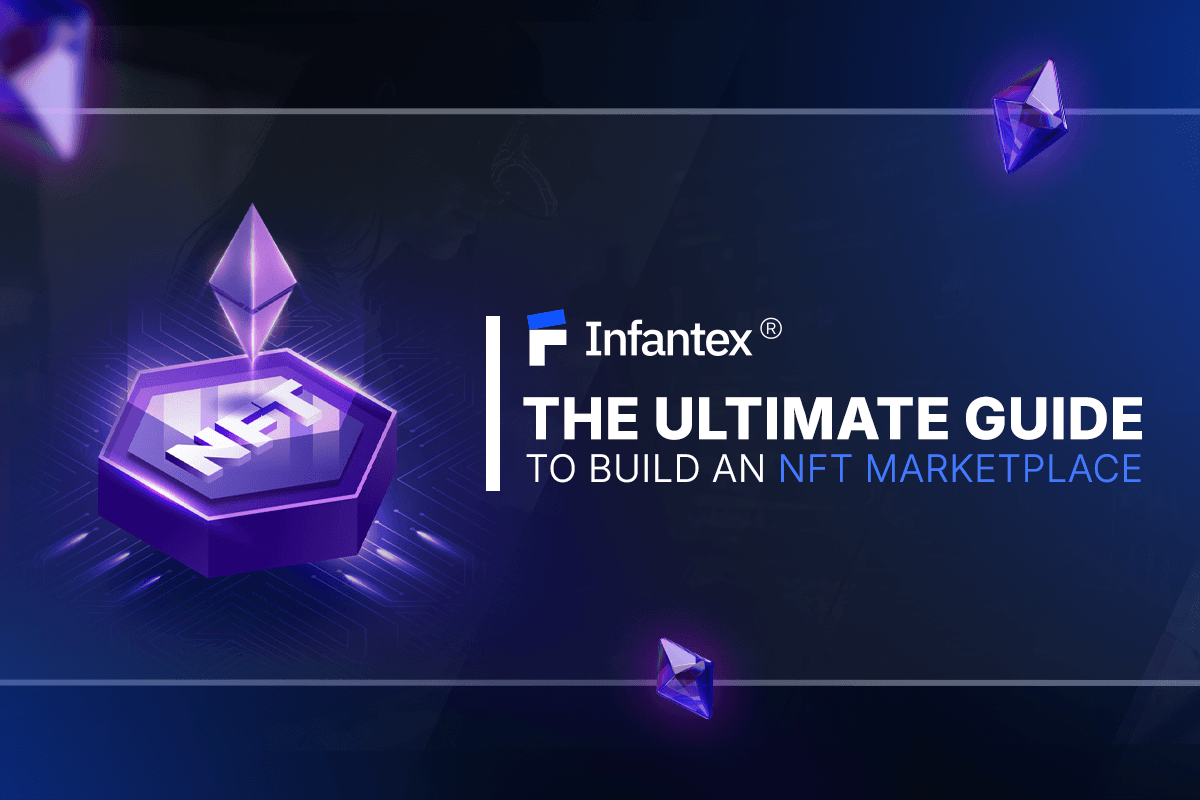
Non-Fungible Tokens (NFTs) have taken the digital world by storm, transforming the way we buy, sell, and own digital assets. From digital art and music to virtual real estate and in-game collectibles, NFTs have unlocked limitless opportunities for creators, collectors, and investors. At the heart of this fast-growing ecosystem are NFT marketplaces—specialized platforms that connect buyers and sellers, enabling the secure creation, purchase, and exchange of non-fungible tokens.
In the article, we’ll explain what an NFT marketplace is and walk you through how to build one from start to finish.
What Is an NFT Marketplace?
An NFT marketplace is a digital platform where users can create, list, buy, sell, and trade non-fungible tokens (NFTs). These tokens are unique digital assets stored on a blockchain, making them impossible to replicate or counterfeit. For example, OpenSea is the largest NFT platform, allowing users to launch their own NFTs or collections, trade digital assets, and earn from resales. The platform earns money by taking a small commission from each sale.
Key Elements of an NFT Marketplace
A successful NFT marketplace relies on several core components that ensure smooth operation, security, and a great user experience. Here’s a breakdown of the most important ones:
NFT Minting Tools These tools allow creators to tokenize their digital works, turning images, music, videos, or virtual items into NFTs on the blockchain. The minting process validates the asset’s data, creates a new block, and stores it securely.
Wallet Integration Users need a cryptocurrency wallet (MetaMask or Coinbase Wallet) to store, buy, and sell NFTs. Wallet integration makes it easy to connect, transact, and manage assets directly from the marketplace.
Smart Contracts Smart contracts are self-executing programs on the blockchain that handle ownership rights, sales, royalties, and transfers automatically, removing the need for intermediaries and ensuring trust.
Search & Filter Tools A good marketplace offers advanced search and filtering options, helping buyers quickly find NFTs based on categories, price, creator, popularity, or rarity. This improves the overall user experience.
Security Protocols Security is vital. Marketplaces implement measures like two-factor authentication, encryption, and anti-fraud systems to protect both digital assets and user data from hacks or scams.
Blockchain Integration The marketplace must connect seamlessly to a blockchain network (Ethereum, Binance Smart Chain, Polygon, etc.) to record transactions, ensure transparency, and verify authenticity.
NFT Marketplace Trends and Growth
The NFT marketplace development sector continues to capture global attention, even as the market undergoes shifts. While projections show a slight decline with an annual growth rate of -11.00% (CAGR 2024–2025), the industry is still expected to generate approximately $608.6 million in revenue by 2025.
NFTs can represent ownership of a wide range of digital assets: GIFs, MP3s, JPEGs, videos, and more. One of the most iconic examples is Everydays: The First 5000 Days, a digital art collage by Beeple, which sold for an astonishing $69 million in 2021.
These figures highlight that, despite market fluctuations, NFT marketplace platforms remain a valuable business opportunity. For entrepreneurs and companies, building an NFT marketplace today can still create a profitable and scalable revenue model, especially as the demand for unique digital assets and secure blockchain transactions continues to grow.
Step-by-Step Guide to Build an NFT Marketplace
If you’re planning to create your own NFT marketplace, here’s a clear, step-by-step process to follow:
1. Define Your Requirements Start by outlining the goals for your marketplace. Identify your target audience, decide which types of NFTs you’ll support (art, music, gaming assets, etc.), choose payment options, and list the core features your platform will offer.
2. Choose Your Niche Focusing on a niche will help your project stand out. Instead of covering every type of NFT, consider specializing in a specific vertical—such as digital art, in-game items, or virtual real estate. This makes your platform more appealing to a well-defined audience and helps shape your development strategy.
3. Plan the UI/UX Design A great UI/UX design is key to attracting and retaining users. The interface should be clean, intuitive, and easy to navigate, while still reflecting your brand’s style. Good design improves the user experience and boosts engagement.
4. Develop the Front-End Once your design is ready, bring it to life with front-end development. Choose a reliable framework that supports your goals and hire experienced NFT marketplace developers to ensure smooth performance and robust functionality.
5. Create Smart Contracts Unlike traditional platforms, NFT marketplaces rely heavily on smart contracts for transactions and ownership verification. These self-executing programs, stored on the blockchain, handle key functions like minting, transfers, and royalty payments.
6. Integrate a Digital Wallet Add support for trusted wallets like MetaMask or WalletConnect so users can securely store, buy, and sell NFTs. Wallet integration ensures safe, encrypted, and seamless transactions.
7. Test and Launch Before going live, run thorough testing to catch and fix bugs, improve security, and confirm that everything works as intended. After launch, provide ongoing support to handle updates, fix issues, and maintain platform performance.
Read more: [White-Label NFT Marketplace: The Complete Business Guide](White-Label NFT Marketplace: The Complete Business Guide)
How to Choose an NFT Marketplace Development Company for Your Business
Choosing the right NFT marketplace development company is one of the important steps in ensuring your platform’s success. The ideal partner should not only have strong technical skills but also understand your business vision, target audience, and the competitive NFT landscape.
1. Blockchain Expertise Your NFT marketplace will be built on a blockchain network like Ethereum, Polygon, Solana, Binance Smart Chain, or another chain, so your partner must have hands-on experience with your chosen ecosystem.
2. Custom Development Skills Every NFT marketplace serves a unique audience. Some focus on digital art, others on in-game assets, music, or virtual real estate. That’s why your development company should be capable of creating custom features that align with your business goals.
3. Security Focus NFT marketplaces deal with high-value digital assets and sensitive financial data, making them a prime target for hackers and fraud. Your development partner should take security seriously, implementing thorough smart contract audits, encryption protocols, and fraud prevention measures.
4. Proven Track Record Look for a development company with a strong portfolio of NFT-related projects, along with case studies and client testimonials. A proven track record also shows they know how to navigate challenges and produce real-world results, reducing the risk of costly mistakes in your own project.
5. End-to-End Services Full-cycle development covers everything from initial planning and strategy to design, coding, testing, deployment, and post-launch maintenance. A reliable development company will not only build your NFT marketplace but also support its ongoing growth, performance, and security after launch.
Why Build Your Own NFT Marketplace with Infantex
Infantex is a leading blockchain development company with proven expertise in creating high-performing NFT marketplaces. With years of experience in the Web3 space, we know what it takes to build platforms that are not only functional but also scalable, secure, and ready to capture market opportunities.
-
Expert blockchain developers: Experienced in creating solutions across multiple blockchain platforms for maximum flexibility and performance.
-
Custom development solutions: Tailored to your business model and target audience.
-
Full-cycle development: From concept to launch and maintenance.
-
Security-first approach: Smart contract audits, secure APIs, and best practices.
-
Proven track record: Delivered high-performing NFT and Web3 solutions globally.
Final Thoughts
The NFT industry is evolving rapidly, opening up exciting opportunities for creators, collectors, and businesses. If you want to stay ahead in this digital revolution, now is the perfect time to build an NFT marketplace tailored to your audience and goals.
With Infantex, you’re not just hiring developers, you’re partnering with a team of blockchain experts who deliver secure, scalable, and fully customized NFT platforms. If you’re ready to launch your own NFT marketplace and lead in the Web3 era, Infantex is here to make it happen.

MOST POPULAR
01/10
Leave a request
Send us a request today!
Share your project brief, scope and timeline. Our team will reply within 24 hours.
Services
Game DevelopmentWeb3 Game DevelopmentCustom Game and GamificationGame Art Outsourcing & UI/UX Design ServicesDedicated Game Development TeamBlockchain Development and Whitelabel ServicesContact us
- Address
- 16F, MD Complex Tower, 68 Nguyen Co Thach Street, Tu Liem District, Ha Noi Capital, Vietnam
- sale@infantex.io
© Copyright 2026 Infantex . All rights reserved.