
Blogs
Nov 26, 2025
The Future of Real-World Asset Tokenization on Blockchain
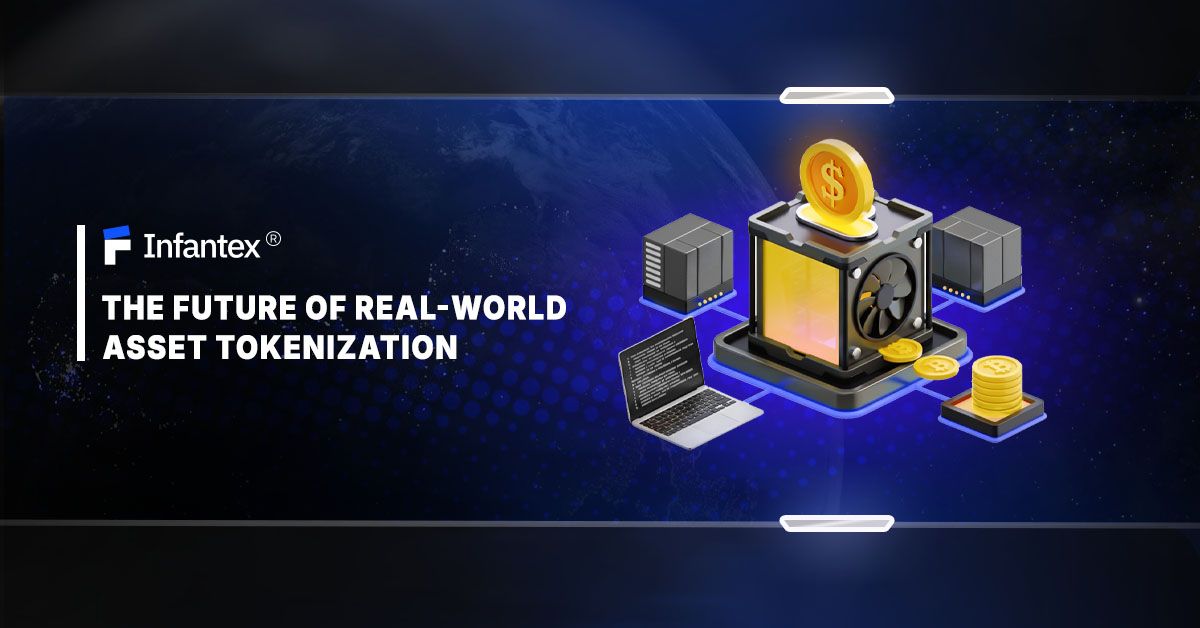
In recent years, we've seen a steady shift in how assets are owned, traded and managed. The traditional model of owning a whole property, a gold bar, or a bond certificate is evolving. Thanks to blockchain technology, real-world assets (RWAs) are now being converted into digital tokens — a process commonly called asset tokenization. Through this transformation, previously illiquid, high-entry-barrier investments are becoming accessible, fractionalised, transparent and global. In this article, we’ll explore what RWA tokenization means, how blockchain underpins it and how your business can prepare for this next wave of digital finance.
What Is Real-World Asset Tokenization?
Asset tokenization is the conversion of ownership rights in real assets into digital tokens stored on a blockchain. Each token represents a share of the underlying asset similar to owning a small piece of it. This process gives traditional assets the speed, transparency, and accessibility of blockchain while maintaining real-world value.
Why Blockchain Is the Foundation of Tokenization
Tokenization wouldn’t work without blockchain. Here’s why this technology is the perfect foundation for real-world asset tokenization:
-
Transparency and Immutability: Every transaction on a blockchain is recorded permanently and cannot be altered. This transparency ensures that ownership records are verifiable, reducing the risk of fraud and disputes.
-
Smart Contracts for Automation: Blockchain-based smart contracts automate tasks like transfers, dividend payments, and compliance checks. They remove intermediaries and streamline the process, saving both time and money.
-
Fractional Ownership and Liquidity: Blockchain makes it easy to divide assets into smaller units, so investors can own fractions of valuable assets. This fractionalization unlocks liquidity for asset owners and allows smaller investors to participate in markets that were previously out of reach.
-
24/7 Global Market Access: Traditional markets operate within fixed hours and geographical boundaries. Tokenized assets can be traded around the clock, across borders, without needing banks or brokers.
-
Security and Trust: Blockchain’s cryptographic systems protect investor data, ensure authenticity, and secure asset ownership records.
The Benefits of RWA Tokenization
Asset tokenization goes beyond simply decentralizing traditional assets. It introduces a new level of efficiency, transparency and accessibility to the way assets are owned and traded. Here are some of its key advantages:
-
Liquidity: Traditional assets like real estate or art are notoriously hard to sell. Tokenization allows these assets to be traded instantly on digital markets.
-
Accessibility: Fractional ownership opens up high-value assets to everyday investors. You no longer need millions to invest in real estate or commodities.
-
Efficiency and Cost Reduction: By cutting out middlemen such as brokers and registrars, blockchain transactions are faster and cheaper.
-
Transparency and Security: All token transfers and ownership records are visible on the blockchain, making the system tamper-proof.
-
Global Reach: Tokenized assets can be traded globally, giving investors access to new markets and expanding the pool of potential buyers.
Use Cases of Asset Tokenization
To fully appreciate the impact, let’s look at some concrete scenarios where RWA tokenization is already making waves and will accelerate further. Real Estate Real estate tokenization is one of the fastest-growing sectors in the blockchain world. Properties can be divided into digital shares, letting global investors buy and trade real estate more easily. It reduces entry barriers and unlocks liquidity in one of the most valuable asset classes on Earth.
Bonds and Securities Tokenizing government or corporate bonds allows instant settlement, programmable yields, and lower transaction costs. BlackRock recently launched its first tokenized fund on Ethereum, proving that institutions are taking this seriously.
Art and Collectibles Fine art, luxury watches, and music rights are being tokenized, allowing creators and collectors to share ownership and generate new revenue models.
Commodities and Natural Resource Gold, oil, and carbon credits are increasingly being digitized. Tokenization improves transparency and creates a more efficient marketplace.
The Future Outlook: What’s Next for RWA Tokenization
As technology matures and regulations evolve, the tokenization of real-world assets will become mainstream. Here’s what we can expect in the coming years: Institutional Adoption Banks, asset managers, and even governments are exploring tokenized bonds, funds, and real estate. Institutional adoption will drive legitimacy and growth.
Integration with DeFi Tokenized real-world assets are starting to merge with decentralized finance (DeFi), creating new lending, yield, and trading models powered by real collateral.
Cross-Chain Ecosystems Future tokenized assets will be able to move seamlessly between different blockchains, unlocking more liquidity and use cases.
New Asset Classes Beyond real estate and bonds, we’ll see tokenization of everything from IP rights to renewable energy credits, expanding investment opportunities worldwide.
Read more: Top 5 Blockchain Companies in Vietnam 2025
Conclusion
The future of real-world asset tokenization on blockchain is already taking shape. As the world moves toward a more digital and connected economy, tokenization will redefine how we think about ownership, liquidity, and investment. It’s not just a tech trend, it’s a structural shift in how value moves across the world. At Infantex, we specialize in blockchain outsourcing services, helping businesses build secure, scalable tokenization platforms, smart contracts, and decentralized systems tailored to their goals. Contact Infantex today to explore how we can help you bring your tokenization vision to life.
Services
Full-Cycle Game DevelopmentWeb3 Game DevelopmentGame Art & UI/UXDedicated game development teamContact us
- Address
- 16F, MD Complex Tower, 68 Nguyen Co Thach Street, Tu Liem District, Ha Noi Capital, Vietnam
- sale@infantex.io
- Phone/WhatsApp/Zalo
- +84964081619
© Copyright 2026 Infantex . All rights reserved.